
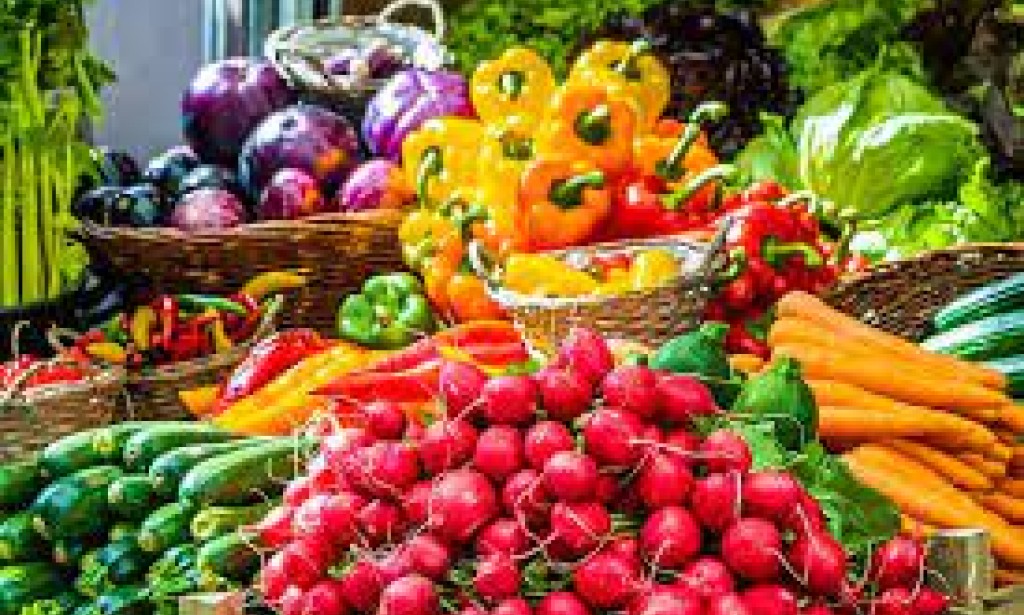
This abstract explores nine vegetables that may have unexpected negative effects on individuals with diabetes. While vegetables are generally considered healthy for diabetics, some varieties contain higher levels of carbohydrates or other factors that can impact blood sugar levels. Understanding these potentially harmful vegetables can help individuals make informed dietary choices for better diabetes management.
Potatoes
Potatoes are a starchy vegetable and are rich in carbohydrates, specifically in the form of starch and sugars.When potatoes are consumed, they are broken down into glucose by the body's digestive system.this glucose then enters the bloodstream and causes an increase in blood sugar levels.
For people with diabetes, this can be problematic, as their bodies may have difficulty regulating blood sugar levels.Consuming too many high-carbohydrate foods, like potatoes, can cause blood sugar levels to spike, which can be harmful to health over time.
Sweet Potatoes
Sweet potatoes, on the other hand, are a good alternative to regular potatoes for people with diabetes.While they are still relatively high in carbohydrates, they are also rich in fiber, vitamins, and minerals, which can help slow down the absorption of glucose into the bloodstream.This means that sweet potatoes are less likely to cause a rapid increase in blood sugar levels.However, it's still important for people with diabetes to consume sweet potatoes in moderation,as they are still a source of carbohydrates.
Corn
Corn is a starchy vegetable that contains a relatively high amount of carbohydrates, which can cause a rapid increase in blood sugar levels in people with diabetes.Consuming high-carbohydrate foods like corn can make it challenging for people with diabetes to manage their blood sugar levels and can contribute to long-term complications if not managed properly.
In addition to being high in carbohydrates, canned corn products can also contain added sugars, which can further increase blood sugar levels.Reading food labels carefully is important for people with diabetes to identify and avoid canned corn products that contain added sugars. However, it's worth noting that fresh corn can still be a healthy part of a balanced
Corn Benefits meal plan for people with diabetes if consumed in moderation.
Fresh corn contains fiber, vitamins, and minerals, which can offer several health benefits.The key is to balance the consumption of corn with other low-carbohydrate vegetables and proteins in a well-balanced meal plan. It's also important to consider the way corn is prepared.For example, corn on the cob can be a healthier option compared to creamed corn or cornbread,which often contain added sugars and fats.
Roasting or grilling fresh corn with a small amount of olive oil and herbs can be a delicious and healthy way to enjoy this popular vegetable.
Beets
Beets are a root vegetable that are naturally sweet and contain a significant amount ofcarbohydrates in the form of natural sugars.However, beets are also a good source of fiber, which can help slow down the absorption ofglucose into the bloodstream.
Fiber also promotes digestive health and can help reduce the risk of heart disease, which is a common complication of diabetes.Beets are also rich in other nutrients, such as folate, potassium, and vitamin C. These nutrients are essential for overall health and can help support healthy blood pressure, immune function, and more.
Roasting or steaming beets is a healthy way to prepare them without adding extra fats or sugars.Beet greens can also be consumed, as they are a good source of fiber, vitamins, and minerals.
Peas Benefits
Peas Peas are a type of legume that are relatively high in carbohydrates, specifically in the form of starch and sugars.When consumed, these carbohydrates are broken down into glucose and can cause a rapid increase in blood sugar levels in people with diabetes.However, peas are also a good source of protein and fiber, which can help slow down the absorption of glucose into the bloodstream.
Protein and fiber also promote feelings of fullness and can help regulate appetite, making them an important component of a diabetes-friendly diet. In addition to protein and fiber, peas are also a good source of vitamins and minerals,including vitamin C, vitamin K, and folate. Fresh or frozen peas are a healthier option compared to canned peas, which may contain added sugars and sodium.
Peas can be cooked and used in a variety of dishes, such as soups, stews, salads, and side dishes.Roasting or steaming peas with herbs and spices is a delicious way to enjoy this nutritious vegetable without adding extra fats or sugars.
Carrots
Additionally, carrot sticks can be a satisfying and healthy snack when paired with a source of protein such as hummus.
Carrots are also rich in several vitamins and minerals, including vitamin A, vitaminK, potassium, and antioxidants such as beta-carotene. These nutrients are essential for overall health and can help support immune function, vision, and more.
Carrots Carrots are a root vegetable that are relatively high in natural sugars and carbohydrates, which can cause a rapid increase in blood sugar levels when consumed by people with diabetes. However, carrots are also a good source of fiber, which can help slow down the absorption of glucose into the bloodstream.
Raw or lightly cooked carrots are a healthier option compared to cooked carrots in a sweetened sauce or glaze.One creative way to include carrots in your diet is by grating them and adding them to salads or stir-fries.Carrots can also be roasted with other vegetables for a healthy and tasty side dish.
Pumpkins
Pumpkins are a type of winter squash that are relatively high in carbohydrates and natural sugars but are a good source of fiber.Pumpkins are also rich in several vitamins and minerals, including vitamin A, vitaminC, potassium, and antioxidants such as beta-carotene. When it comes to consuming pumpkin as part of a diabetes-friendly diet, it's important to be mindful of portion sizes and avoid pumpkin-based dishes that are high in added sugars, such as pumpkin pie or other sweetened desserts. Instead, consider incorporating small amounts of unsweetened pumpkin puree into savory dishes, such as soups, stews, or casseroles.
Roasted pumpkin seeds are also a healthy and satisfying snack option that are rich in protein,healthy fats, and fiber.However, it's important to be mindful of portion sizes and avoid pumpkin seeds that are coated in salt or other added sugars.
Winter Squash
Winter Squash Winter squash is a type of squash that includes varieties such as butternut, acorn, and spaghetti squash.Like pumpkins, winter squash is relatively high in carbohydrates and natural sugars but also a good source of fiber.Winter squash is also rich in several vitamins and minerals, including vitamin A, vitaminC, potassium, and antioxidants such as beta-carotene.Winter squash can also be used as a healthy and low-carbohydrate substitute for pasta in dishes such as spaghetti squash "noodles."Additionally, roasted winter squash seeds are a healthy and satisfying snack option that are rich in protein, healthy fats, and fiber.
Plantains
Plantains Plantains are a starchy vegetable that are a common ingredient in Caribbean, African, and Latin American cuisines.They are often cooked and served in a similar way to potatoes, but are slightly sweeter in taste and have a firmer texture.However, like potatoes, plantains are relatively high in carbohydrates and can cause a rapid increase in blood sugar levels when consumed by people with diabetes.
Despite their high carbohydrate content, plantains are also a good source of fiber, which can help slow down the absorption of glucose into the bloodstream.
Additionally, plantains contain several vitamins and minerals, including vitamin A, vitamin C, potassium, and magnesium. Fried plantains, which are a common preparation method, should be avoided as they are often coated in flour and/or sugar and are high in unhealthy fats.
Instead, consider boiling or baking plantains as a healthier alternative.Plantains can be enjoyed as a side dish or as a main ingredient in savory dishes, such as stews, soups, or casseroles.They can also be used as a substitute for bread or other grains in some dishes, suchas plantain "tostones" which are sliced, fried, and served like chips.
However, it's important to remember that even in small portions, plantains can still contribute to blood sugar spikes, so moderation is key.Before I mention the final vegetable, I just wanted to remind you to look in the description for the link to Amiclear, an oral supplement that will greatly improve your blood sugars in no time.
Parsnips Parsnips are a root vegetable that are closelyrelated to carrots and are often used in stews, soups, and roasted vegetable dishes.Like carrots, parsnips are relatively high in natural sugars and carbohydrates.You can also find a good amount of fiber in parsnips.
Additionally, parsnips contain several vitamins and minerals, including vitamin C, folate,and potassium.Parsnips can also be used as a healthy and low-carbohydrate substitute for potatoes in dishes such as mashed parsnips.Additionally, parsnips can be made into a healthy and satisfying soup by blending them with low-sodium broth and seasonings.

You must be logged in to post a comment.