
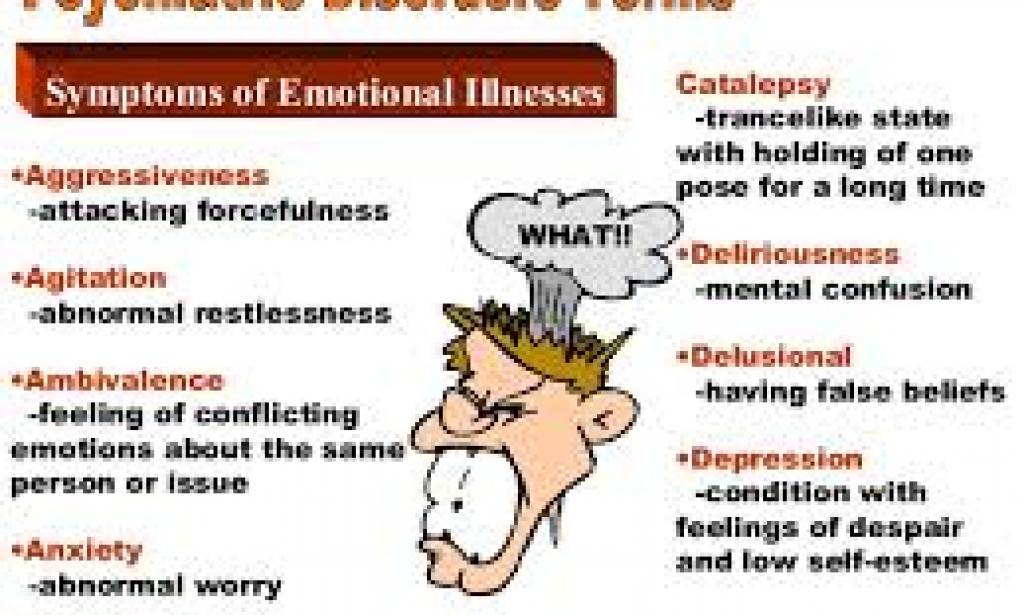
Common psychiatric symptoms and key terms in psychiatric nursing
सामान्य मनोरोग लक्षण और प्रमुख शब्द
मनश्चिकित्सीय परिचर्या
1. Anxiety: A state of feeling uncertainty experienced in response to an object or situation.
1. चिंता: प्रतिक्रिया में अनुभव की गई अनिश्चितता महसूस करने की स्थिति कोई वस्तु या स्थिति।
2. Stress: A state of extreme difficulty, pressure or strain with negative effects on physical and emotional health and well-being.
2. तनाव: के साथ अत्यधिक कठिनाई, दबाव या तनाव की स्थिति शारीरिक और भावनात्मक स्वास्थ्य और भलाई पर नकारात्मक प्रभाव।
3. Withdrawal: A state of habitual quiet and seeming un concerned with other people a focus on one’s own thoughts.
3. निकासी: आदतन शांत और असंबंधित लगने की स्थिति अन्य लोगों के साथ अपने स्वयं के विचारों पर ध्यान केंद्रित करना।
4. Depression: A mood state characterized by a feeling of sadness, dejection (self dislike), despair, discouragement, or hopelessness.
4. अवसाद: एक मनोदशा की स्थिति जिसमें उदासी की भावना होती है, निराशा (स्वयं नापसंद), निराशा, निराशा या निराशा।
5. Suicide: The act of killing oneself (self distracting behavior)
5. आत्महत्या: अपने आप को मारने की क्रिया (स्वयं विचलित करने वाला व्यवहार)
6. Neurosis: A condition in which mal adaptive behaviors serves as a protection against a source of unconscious anxiety.
6. न्यूरोसिस: एक ऐसी स्थिति जिसमें खराब अनुकूली व्यवहार कार्य करता है अचेतन चिंता के स्रोत से सुरक्षा।
7. Personality disorder: A non psychotic illness characterized by maladaptive behavior that the person uses to fulfill his or her needs and bring satisfaction to him or her self. As a result of the inability to relate to the environment, the person’s actions conflicts socially
7. व्यक्तित्व विकार: एक गैर-मनोवैज्ञानिक बीमारी जिसकी विशेषता है
दुर्भावनापूर्ण व्यवहार जो व्यक्ति अपनी पूर्ति के लिए उपयोग करता है जरूरत है और उसे या अपने आप को संतुष्टि लाने के लिए। के परिणामस्वरूप पर्यावरण से संबंधित होने में असमर्थता, व्यक्ति के कार्यों का विरोध सामाजिक रूप से
8. Hysteria (conversion disorder): The loss or impairment of some motor or sensory function for which there is no organic cause.
Formerly known as hysteria or hysterical neurosis
8. हिस्टीरिया (रूपांतरण विकार): कुछ की हानि या हानि मोटर या संवेदी कार्य जिसके लिए कोई जैविक कारण नहीं है।
पूर्व में हिस्टीरिया या हिस्टेरिकल न्यूरोसिस के रूप में जाना जाता है
9. Mental retardation: A disorder characterized by sub average intellectual functioning associated with or resulting in, the inability or impairment of the ability to think abstractly, adapt to new situations, learn new information, solve problem, or profit from experience.
9. मानसिक मंदता: उप औसत द्वारा विशेषता एक विकार अक्षमता से जुड़े या उसके परिणामस्वरूप बौद्धिक कामकाज या अमूर्त रूप से सोचने की क्षमता में कमी, नए के अनुकूल होना स्थितियाँ,
नई जानकारी सीखें, समस्या का समाधान करें, या इससे लाभ प्राप्त करें अनुभव।
10. Dementia: A defuse brain dysfunction characterized by a gradual, progressive, and chronic deterioration of intellectual function.
Judgment, orientation, memory, affect or emotional stability, cognition, and attention all are affected.
10. डिमेंशिया: एक डिफ्यूज ब्रेन डिसफंक्शन जिसकी विशेषता धीरे-धीरे होती है, बौद्धिक कार्य का प्रगतिशील, और पुराना बिगड़ना।
निर्णय, अभिविन्यास, स्मृति, प्रभाव या भावनात्मक स्थिरता, अनुभूति, और ध्यान सभी प्रभावित होते हैं।
11. Trauma: A severe physical injury to the body from an external source; or a severe psychological shock.
11. आघात: बाहरी शरीर से शरीर को गंभीर शारीरिक चोट स्रोत; या एक गंभीर मनोवैज्ञानिक झटका।
12. Alcohol dependent: A person who can not break the habit of drinking alcoholic drinks too much, especially one whose health is damaged because of excessive alcohol intake.
12. शराब पर निर्भर: एक व्यक्ति जो की आदत नहीं तोड़ सकता बहुत अधिक मादक पेय पीना, विशेष रूप से जिसका स्वास्थ्य है अत्यधिक शराब के सेवन से क्षतिग्रस्त।
13. Schizophrenia: A serious mental disorder characterized by impaired communication with loss of contact with reality and deterioration from a previous level of functioning in work, social relationships, or self care.
13. सिज़ोफ्रेनिया: एक गंभीर मानसिक विकार जिसकी विशेषता है वास्तविकता के साथ संपर्क के नुकसान के साथ बिगड़ा हुआ संचार और काम में कामकाज के पिछले स्तर से गिरावट, सामाजिक रिश्ते, या आत्म-देखभाल।
14. Paranoid disorder: A psychotic state characterized by moderately,
or seriously, impaired reality testing, affect and sociability, accompanied by persecutory, grandiose, erotic or jealous content delusions.
14. पैरानॉयड डिसऑर्डर: एक मानसिक अवस्था जिसमें मध्यम रूप से विशेषता होती है, या गंभीरता से, बिगड़ा हुआ वास्तविकता परीक्षण, प्रभाव और सामाजिकता, उत्पीड़नकारी, भव्य, कामुक या ईर्ष्यालु सामग्री के साथ भ्रम
15. Manic-depression: A mood disorder involving both mania and depressive episode.
15. उन्मत्त-अवसाद: एक मनोदशा विकार जिसमें उन्माद और दोनों शामिल हैं अवसादग्रस्तता प्रकरण।
16. Illusion: A false interpretation or perception of a real environmental stimulus that may involve any of the senses.
16. भ्रम: एक वास्तविक की झूठी व्याख्या या धारणा पर्यावरण उत्तेजना जिसमें कोई भी इंद्रियां शामिल हो सकती हैं।
17. Hallucinations: Sensory perceptions that occur in the absence of an actual external stimulus. They may be auditory, visual, olfactory, gustatory or tactile.
17. मतिभ्रम: संवेदी धारणाएं जो की अनुपस्थिति में होती हैं एक वास्तविक बाहरी उत्तेजना। वे श्रवण, दृश्य, घ्राण, स्वाद या स्पर्शनीय।
18. Delusion: False belief not true to fact ordinarily accepted by other members of the person’s culture.
18. भ्रम: झूठा विश्वास तथ्य के प्रति सच नहीं है जो आमतौर पर दूसरे द्वारा स्वीकार किया जाता है व्यक्ति की संस्कृति के सदस्य
Thanks For Reading
Common psychiatric symptoms and key terms in psychiatric nursing सामान्य मनोरोग लक्षण और प्रमुख शब्द मनश्चिकित्सीय परिचर
About Author

You must be logged in to post a comment.