
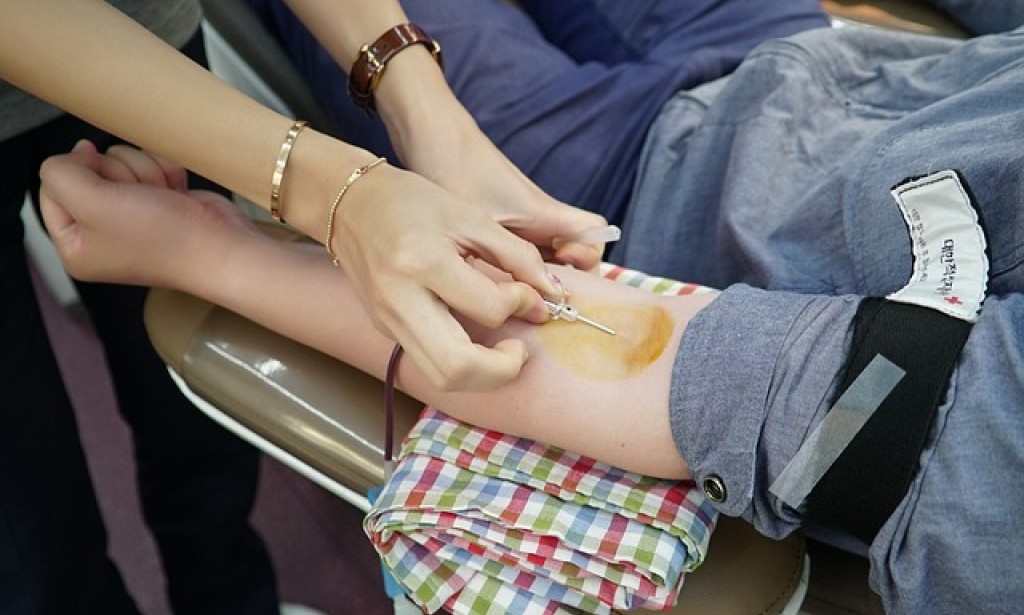
How to Increase Platelets Naturally
Platelets are tiny cells in our blood that help with clotting. They are essential for stopping bleeding when we get cuts or injuries. If your platelet count is low, a condition known as thrombocytopenia, you might bleed easily or have trouble stopping bleeding. It’s important to address low platelet counts to maintain good health. This article will explain simple and effective ways to increase platelets in the body.
Understanding Platelets
Platelets, also known as thrombocytes, are small cells that play a crucial role in blood clotting. They are produced in the bone marrow and released into the bloodstream. When a blood vessel is injured, platelets rush to the site, stick to the wound, and help form a clot to stop the bleeding.
Causes of Low Platelet Count
Several factors can cause a low platelet count, including:
Medical Conditions: Diseases like leukemia, anemia, and liver conditions can lower platelet levels.
Medications: Certain medicines, such as chemotherapy drugs, can affect platelet production.
Nutritional Deficiencies: Lack of essential nutrients can impair platelet production.
Infections: Severe infections can sometimes lead to low platelet counts.
How to Increase Platelets Naturally
Here are some natural ways to help increase your platelet count:
1. Eat a Balanced Diet
A nutritious diet is essential for healthy blood production. Include foods rich in vitamins and minerals that support platelet production:
Vitamin B12: This vitamin helps with the production of red blood cells and platelets. Foods like eggs, dairy products, and fortified cereals are good sources.
Folate: Folate (or folic acid) is crucial for cell production. You can find it in leafy green vegetables like spinach, broccoli, and Brussels sprouts, as well as in beans and lentils.
Vitamin C: This vitamin supports overall immune function and helps with the absorption of iron. Citrus fruits, strawberries, and bell peppers are high in vitamin C.
Iron: Iron is important for blood health. Include iron-rich foods like lean meats, beans, and fortified cereals.
2. Stay Hydrated
Drinking enough water is vital for maintaining healthy blood volume and supporting overall bodily functions, including platelet production. Aim to drink at least 8 glasses of water a day. Proper hydration helps your body maintain optimal blood flow and supports the production of platelets.
3. Avoid Alcohol
Excessive alcohol consumption can lower platelet counts by affecting the bone marrow and liver function. Reducing or eliminating alcohol can help improve your platelet levels.
4. Incorporate Immune-Boosting Foods
Certain foods can help boost your immune system, which in turn can support platelet production. These include:
Garlic: Known for its immune-boosting properties.
Ginger: Helps reduce inflammation and supports overall health.
Turmeric: Contains curcumin, which has anti-inflammatory effects.
5. Include Protein-Rich Foods
Proteins are essential for cell repair and regeneration. Eating enough protein can help support healthy platelet production. Include sources of protein like lean meats, fish, eggs, and legumes in your diet.
6. Exercise Regularly
Regular physical activity can help improve your overall health and support healthy blood flow. Engage in moderate exercise like walking, swimming, or cycling for at least 30 minutes a day. Exercise helps improve circulation and can support the production of platelets.
Medical Treatments and Supplements
In some cases, lifestyle changes alone may not be enough to address low platelet counts. Here are some medical treatments and supplements that may be recommended:
Medications: Doctors might prescribe medications to help increase platelet production or address underlying conditions.
Platelet Transfusions: In severe cases, a platelet transfusion might be needed to quickly raise platelet levels.
Supplements: In addition to a balanced diet, some supplements like vitamin B12, folic acid, and iron might be suggested if you have deficiencies.
When to See a Doctor
If you have symptoms of low platelets, such as easy bruising, frequent nosebleeds, or prolonged bleeding from cuts, it’s important to consult a healthcare professional. They can perform tests to determine the cause of low platelet counts and recommend appropriate treatments or lifestyle changes.
Conclusion
Increasing your platelet count naturally involves making healthy choices in your diet and lifestyle. Eating a balanced diet rich in essential nutrients, staying hydrated, avoiding excessive alcohol, and engaging in regular exercise are all effective ways to support healthy platelet production. If lifestyle changes are not enough, medical treatments and supplements might be necessary. Always consult with a healthcare provider for personalized advice and treatment options. By taking these steps, you can help maintain a healthy platelet count and support your overall well-being.

You must be logged in to post a comment.