
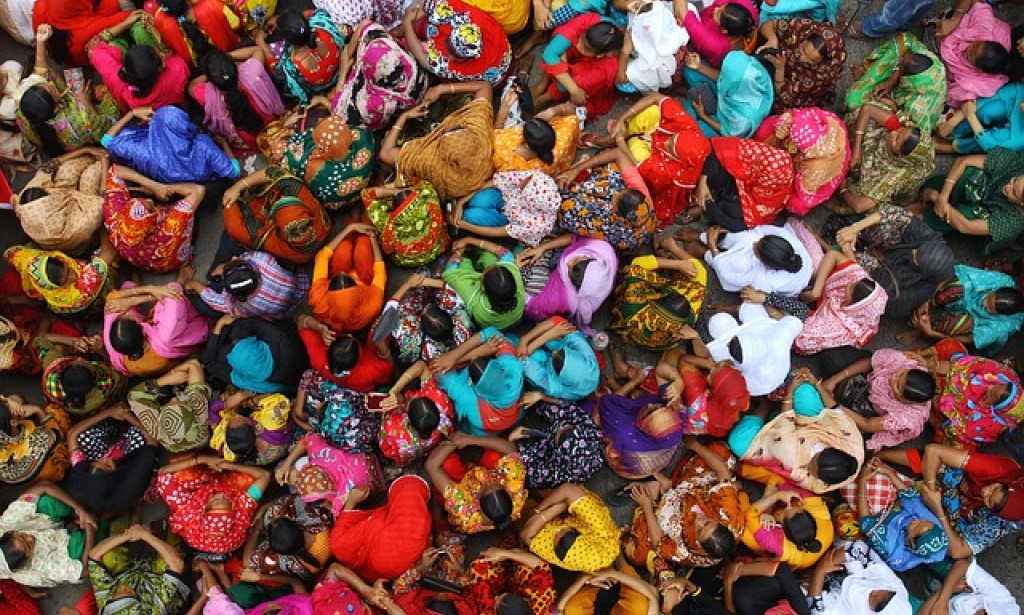
Mob justice is a term that often comes up when people talk about taking the law into their own hands. It happens when a group of people, often angry and frustrated, decides to punish someone they believe is guilty of a crime, without waiting for a proper trial or investigation. While it may seem like an easy way to get justice quickly, the reality is far more complicated. In this article, we will explore the concept of mob justice, why it happens, and whether it is truly good or bad for society.
What is Mob Justice?
Mob justice occurs when a group of people, usually driven by anger, fear, or frustration, takes action against someone they believe has committed a crime. This action can range from verbal abuse to physical violence, and in extreme cases, it even leads to the death of the accused person. The crowd often acts as judge, jury, and executioner, leaving no room for legal procedures, investigation, or a fair trial.
Why Does Mob Justice Happen?
There are several reasons why people resort to mob justice:
Lack of Trust in the Legal System: In many communities, people feel that the legal system is slow, corrupt, or unfair. When crimes go unpunished, or when it takes too long to see justice served, people may feel they have no choice but to take matters into their own hands.
Anger and Frustration: When a crime occurs, especially one that affects a community directly, emotions run high. The need for immediate revenge or a sense of justice can push people to act impulsively without thinking about the consequences.
Fear: When people feel threatened or unsafe, they might believe that taking immediate action is the only way to protect themselves and their families. This is particularly true in areas with high crime rates or where law enforcement is absent.
Influence of Others: In a crowd, people often feel pressured to act, even if they wouldn’t do so on their own. The fear of being seen as weak or indifferent can lead to actions they might later regret.
The Problems with Mob Justice
While mob justice might seem like a quick way to get results, it comes with many dangers and negative effects:
Innocent People Get Hurt or Killed: One of the biggest dangers of mob justice is that innocent people can become victims. When a mob acts without proper evidence or investigation, they can easily target the wrong person. There have been many cases where innocent people have been beaten, injured, or even killed simply because they were in the wrong place at the wrong time or matched a vague description.
No Fair Trial: In any legal system, a person is considered innocent until proven guilty. This principle exists to ensure that no one is wrongly punished. Mob justice denies this basic right, and the accused person doesn’t get a chance to defend themselves or explain their side of the story.
Escalation of Violence: Mob justice often leads to more violence. When one group takes the law into their own hands, it can encourage others to do the same. This cycle of violence creates a society where people believe that violence is the only way to solve problems, which can lead to even more crime and insecurity.
Lack of Accountability: When a mob punishes someone, no one is held responsible for the act. There is no clear person or group to blame for any mistakes, injuries, or deaths that occur. This lack of accountability means that people can commit serious crimes without facing any consequences.
Erosion of Law and Order: Mob justice undermines the authority of the legal system and law enforcement agencies. If people believe they can take the law into their own hands, it weakens the trust in the police, courts, and government. This leads to a breakdown in society, where the rules no longer matter, and everyone does what they want.
The Consequences of Mob Justice on Society
Mob justice has far-reaching effects on society, and most of them are negative:
Fear and Insecurity: When people know that mob justice is common, they live in constant fear. They worry about being falsely accused or getting caught up in a violent situation. This fear can prevent people from going about their daily lives, affecting businesses, education, and the overall quality of life.
Loss of Trust in Legal Institutions: When people see that others are taking the law into their own hands, they lose trust in the police, courts, and government. This makes it harder for these institutions to function properly and maintain order.
Violence Becomes Normal: When mob justice is accepted, violence becomes a normal part of life. This can make it easier for people to resort to violence in other situations, leading to an increase in crime, domestic violence, and other forms of aggression.
Damage to Community Relationships: Mob justice often divides communities. People who support mob actions may end up clashing with those who believe in the rule of law. This division can create long-term tension and conflict, making it harder for communities to work together and solve other issues.
Is There Any Justification for Mob Justice?
Supporters of mob justice often argue that it is a way for communities to protect themselves and deliver justice when the legal system fails. They believe it acts as a deterrent, making criminals think twice before committing crimes. However, these justifications don’t hold up when we consider the damage that mob justice causes.
While it’s understandable that people want to feel safe and see justice done, resorting to mob justice creates more problems than it solves. It leads to violence, the potential for wrongful punishment, and the breakdown of law and order. Instead of bringing about justice, it creates chaos and fear.
What Can Be Done to Prevent Mob Justice?
To stop mob justice from happening, it’s essential to address the root causes:
Strengthen the Legal System: Governments need to ensure that the legal system is fair, efficient, and transparent. When people see that criminals are being punished and justice is being served, they are less likely to take matters into their own hands.
Improve Community-Police Relationships: Building trust between communities and law enforcement is crucial. When people feel that they can rely on the police to protect them, they are less likely to resort to mob justice.
Educate the Public: Teaching people about the dangers of mob justice and the importance of the rule of law can help prevent these violent acts. When communities understand the consequences, they are more likely to seek justice through the right channels.
Promote Conflict Resolution: Encouraging peaceful ways to resolve conflicts can help reduce the chances of mob justice. This could include community meetings, mediation, and awareness programs.
Conclusion
Mob justice is not good for our society. While it may seem like a quick solution to crime, it creates far more problems than it solves. It leads to violence, fear, and a breakdown of trust in the legal system. To build a just and peaceful society, we must strengthen our legal institutions, educate the public, and find ways to resolve conflicts without resorting to violence. True justice can only be achieved when we work together to ensure that everyone is treated fairly and with respect.

You must be logged in to post a comment.