
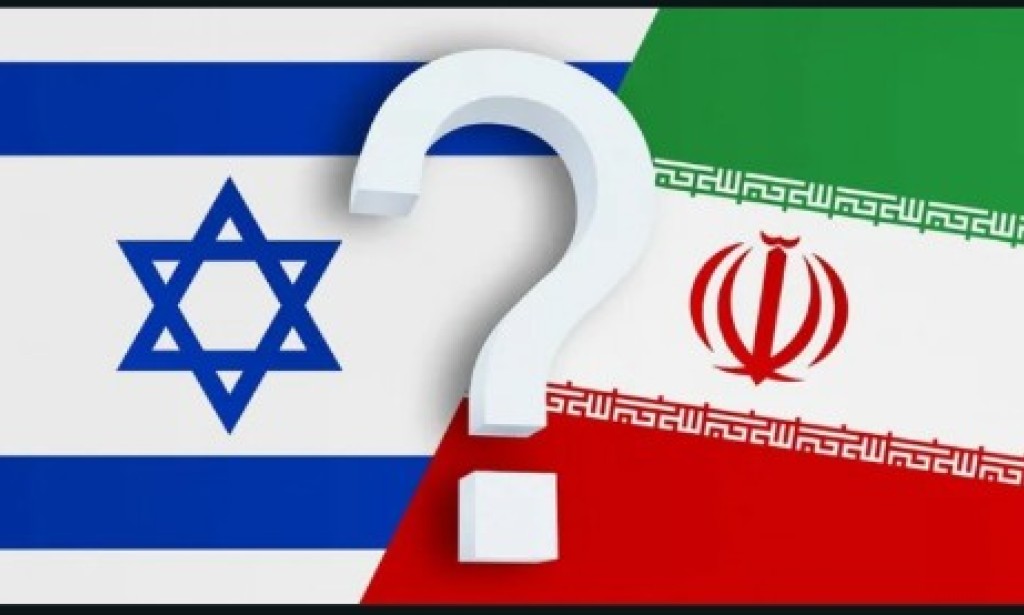
The relationship between Israel and Iran is deeply complex and marked by geopolitical rivalries, historical tensions, and ideological differences. Here's a breakdown of some key aspects:
1. **Iran's Nuclear Program**: One of the primary points of contention is Iran's nuclear program. Israel sees Iran's nuclear ambitions as a significant threat to its security, fearing that Iran may develop nuclear weapons that could be used against Israel. Iran insists that its nuclear program is for peaceful purposes, such as energy generation, but Israel and much of the international community remain skeptical.
2. **Regional Influence**: Both Israel and Iran are key players in the Middle East region and vie for influence. Iran supports various militant groups in the region, including Hezbollah in Lebanon and Hamas in the Gaza Strip, both of which are hostile to Israel. Israel, on the other hand, has cultivated alliances with some Arab states that share its concerns about Iran's regional activities.
3. **Proxy Conflicts**: The conflict between Israel and Iran often plays out through proxy conflicts in neighboring countries such as Syria, where Iran supports the Assad regime, and Israel has conducted airstrikes targeting Iranian and Hezbollah forces. Additionally, Iran's support for Hamas and other Palestinian militant groups has led to periodic conflicts between Israel and Hamas in Gaza.
4. **Cyber Warfare and Covert Operations**: Both Israel and Iran are believed to engage in cyber warfare and covert operations against each other. This includes cyberattacks on critical infrastructure, espionage, and sabotage efforts.
5. **Diplomatic Relations**: Israel and Iran do not have diplomatic relations, and their governments regularly trade harsh rhetoric against each other. Iranian leaders have repeatedly called for the destruction of Israel, while Israeli leaders have warned about the dangers of a nuclear-armed Iran.
6.**Nuclear Ambitions**: Israel is deeply concerned about Iran's nuclear program, fearing that Iran could develop nuclear weapons that pose an existential threat to Israel's security.
7. **Support for Militant Groups**: Iran provides support to militant groups such as Hezbollah in Lebanon and Hamas in the Gaza Strip, both of which have carried out attacks against Israel.
8. **Existential Threat Perception**: Israel perceives Iran's anti-Israel rhetoric and support for militant groups as existential threats, leading to a defensive posture and preemptive measures.
9.**Regional Power Dynamics**: Iran and Israel vie for influence and dominance in the Middle East, leading to competition and conflict in various regional theaters, such as Syria and Lebanon.
10. **Geopolitical Rivalry**: Both countries seek to assert their influence in the Middle East, leading to competition and conflict over regional dominance and strategic interests.
11. **Ideological Differences**: Iran's Islamic revolutionary ideology clashes with Israel's Jewish identity and democratic values, contributing to mutual distrust and animosity.
12. **Palestinian Issue**: Iran's support for Palestinian militant groups and opposition to Israel's policies towards the Palestinians exacerbate tensions between the two countries.
13. **Historical Animosity**: Iran and Israel have a history of strained relations, dating back to the Iranian Revolution in 1979 and Israel's support for the deposed Shah of Iran.
14. **Proxy Conflicts**: Conflict between Iran and Israel often plays out through proxy wars and regional conflicts, such as the Syrian Civil War, where both countries support opposing factions.
15. **Security Dilemma**: Perceptions of insecurity and the fear of aggression from the other side drive a cycle of mistrust and hostility, further exacerbating tensions and the risk of conflict.
Overall, the relationship between Israel and Iran is characterized by deep-seated mistrust, mutual hostility, and ongoing competition for power and influence in the Middle East. While direct military confrontation between the two countries has so far been avoided, the situation remains highly volatile and fraught with the potential for escalation.

You must be logged in to post a comment.