
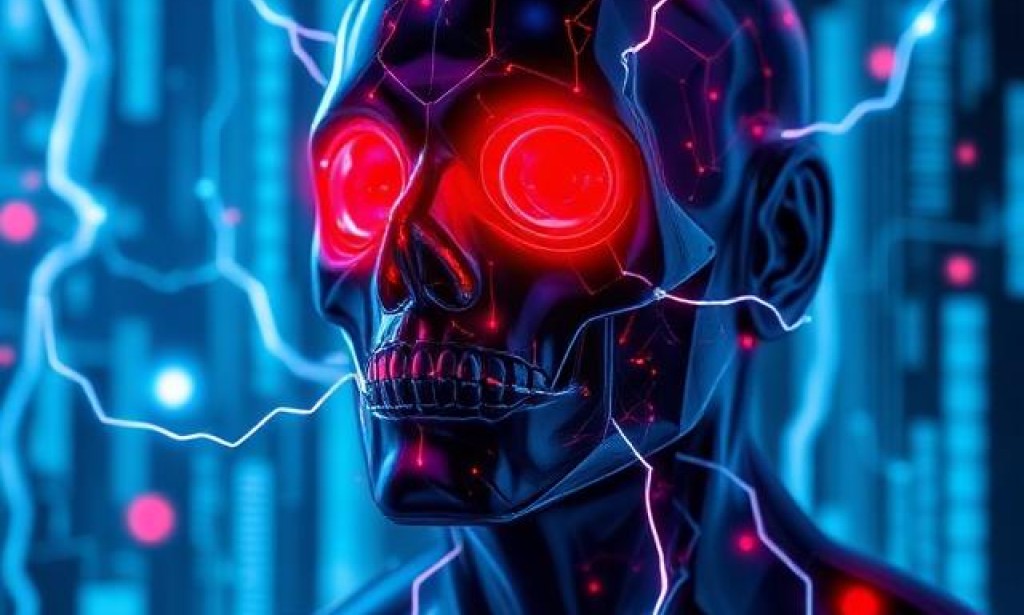
Shock as Currency: How Extreme Images Are Rewriting Reality in the Age of Algorithms
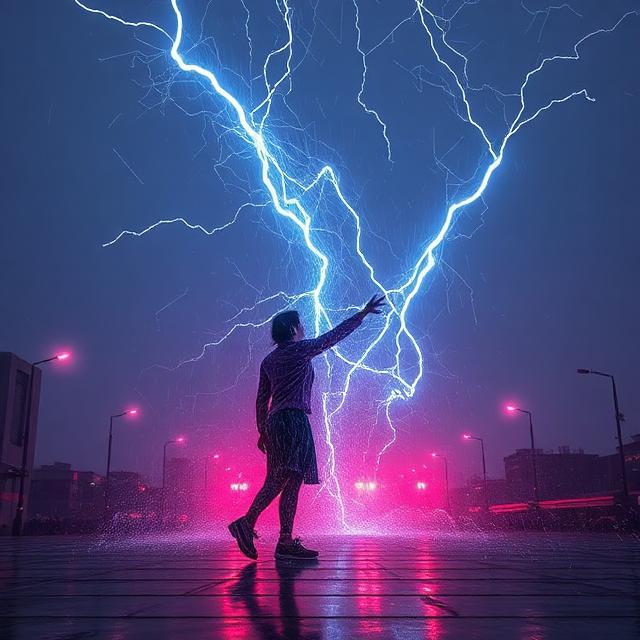
In the digital age, attention is no longer earned quietly. It is seized violently.
Our feeds are flooded with images designed to stop the scroll, hijack emotion, and provoke instant reaction. The more shocking the content, the more likely it is to spread. Over time, shock itself has become a form of currency—bought, sold, optimized, and amplified by algorithms.
This shift is not just changing what we see.
It is changing how we think, what we believe, and how we experience reality.
We now live in an attention economy where outrage, confusion, and astonishment outperform nuance and truth. This article explores how extreme imagery is reshaping culture, identity, politics, and perception—and what it means for the future of human attention.
The Rise of Shock as a Digital Currency
Shock is no longer accidental.
It is engineered.
Platforms reward content that generates intense reactions. Creators quickly learned that emotional intensity outperforms informational value.
Why Shock Works So Well Online
Shock triggers primal responses in the human brain.
It bypasses logic and hits emotion first.
Extreme visuals activate:
Fear
Surprise
Disgust
Desire
Curiosity
Outrage
These emotions force the brain to pause, process, and react. In an endless stream of content, anything that breaks pattern wins attention.
The Algorithm’s Role in Rewarding Extremes
Social platforms are built to maximize engagement.
Their algorithms prioritize:
Content that keeps users scrolling
Posts that generate comments and shares
Images that cause strong emotional reactions
Material that sparks debate or conflict
This creates a feedback loop:
Extreme content performs well
The algorithm boosts it
Creators produce more extreme content
Normal content becomes invisible
Over time, subtlety dies.
Shock becomes the price of visibility.
How Extreme Images Are Rewriting Reality
The digital world is no longer a reflection of reality.
It is a performance of distortion.
The Collapse of Visual Trust
Images once served as evidence.
Now they are persuasion tools.
We are increasingly unsure whether what we see is:
Real
Edited
Artificially generated
Contextually manipulated
This erosion of trust reshapes how people relate to truth.
Key consequences include:
Growing skepticism toward all media
Emotional fatigue from constant stimulation
Difficulty distinguishing reality from spectacle
Increased susceptibility to manipulation
When Reality Becomes a Performance
People now curate their lives for shock value.
This affects:
Fashion
Body image
Political expression
Lifestyle choices
Online personas
Extreme aesthetics attract attention.
Ordinary existence disappears into the algorithmic void.
This leads to a culture where being seen matters more than being authentic.
The Psychology Behind Extreme Visual Content
The brain did not evolve for infinite stimulation.
Digital environments exploit ancient survival mechanisms.
Why Our Brains Crave the Extreme
The human brain is wired to notice:
Threat
Novelty
Uncertainty
Deviations from the norm
Extreme images exploit these instincts.
Neurological responses include:
Dopamine spikes
Heightened emotional arousal
Increased memory retention
Faster reaction times
This makes shocking content feel more “important,” even when it isn’t.
Emotional Addiction and Visual Overstimulation
Repeated exposure to extreme content builds tolerance.
Users gradually require:
More shocking visuals
Stronger emotional triggers
More dramatic imagery
This mirrors addiction cycles.
The result is emotional numbness toward normal life and overstimulation toward digital extremes.
How Shock Culture Is Shaping Identity
Identity is no longer discovered.
It is performed for algorithms.
Performing for Visibility
People adapt their behavior to maximize engagement.
This includes:
Dressing for viral potential
Adopting controversial aesthetics
Embracing exaggerated personas
Provoking reactions intentionally
Visibility becomes validation.
The Pressure to Be “Interesting” at All Costs
The algorithm punishes normalcy.
This creates psychological pressure:
Fear of invisibility
Anxiety over relevance
Comparison-driven self-worth
Performance-based identity
When attention becomes currency, authenticity becomes optional.
The Political Weaponization of Shock
Extreme imagery is now a tool of influence.
How Shock Is Used to Manipulate Opinion
Political content often uses:
Graphic visuals
Dehumanizing portrayals
Emotional framing
Simplified villains and heroes
This increases:
Polarization
Tribal thinking
Misinformation spread
Emotional reasoning over logic
Shock bypasses rational analysis.
The Algorithmic Amplification of Extremism
Platforms do not create extremism.
They amplify it.
Algorithms reward:
Controversial narratives
Emotional outrage
Simplified moral binaries
Visual provocation
This fuels radicalization by design.
The Economic Incentives Behind Visual Extremes
Shock is profitable.
The Attention Economy Explained
In the digital economy:
Attention = revenue
Engagement = monetization
Virality = influence
Creators compete for limited attention in infinite content streams.
Extreme visuals outperform:
Thoughtful analysis
Subtle storytelling
Complex nuance
How Creators Are Pushed Toward Extremes
Monetization systems reward:
Click-through rates
Watch time
Emotional engagement
This incentivizes:
Exaggeration
Sensationalism
Visual distortion
Provocation over truth
The economy rewards those who shout the loudest.
AI, Synthetic Images, and the End of Visual Certainty
Artificial image generation accelerates the shock economy.
When Reality Can Be Invented
AI tools can now produce:
Hyper-realistic faces
Impossible scenes
Fabricated events
Artificial scandals
This collapses the line between:
Documentary
Art
Propaganda
Fiction
The Coming Crisis of Visual Credibility
As synthetic media becomes mainstream:
Trust in images declines
Skepticism becomes default
Truth becomes harder to verify
Visual evidence loses authority
The future may be one where seeing is no longer believing.
The Cultural Consequences of Living in Shock
Shock-based media reshapes society at scale.
The Normalization of Extremes
What shocks today becomes normal tomorrow.
This leads to:
Desensitization
Escalating content intensity
Reduced empathy
Lower emotional thresholds
The Erosion of Nuance and Complexity
Shock simplifies reality into emotional binaries:
Good vs evil
Us vs them
Viral vs invisible
Complex issues are flattened into spectacles.
The Mental Health Impact of Constant Visual Shock
This environment carries psychological costs.
Attention Fragmentation
Constant stimulation damages focus.
Effects include:
Reduced concentration
Shortened attention spans
Increased anxiety
Dopamine dysregulation
Emotional Exhaustion
Living in a perpetual state of reaction leads to:
Burnout
Emotional fatigue
Cynicism
Apathy toward real-world suffering
How to Reclaim Reality in an Algorithmic World
The shock economy is powerful.
But individuals still have agency.
Practical Strategies for Digital Resilience
You can protect your mind by:
Curating your feed intentionally
Limiting exposure to extreme content
Following long-form thinkers
Taking regular digital breaks
Consuming slow media
Prioritizing offline experiences
Training Your Brain for Depth
Rebuild attention through:
Reading long articles
Deep work sessions
Mindful media consumption
Reflective thinking
Curiosity without outrage
The Future of Visual Culture
The trend toward extremity is not slowing down.
What Comes Next
Expect more:
Synthetic imagery
Hyperreal content
Emotional manipulation
Algorithmic optimization
Attention competition
The Choice We Still Have
The future is not predetermined.
Human values can still shape technology.
We can choose:
Depth over spectacle
Truth over virality
Meaning over metrics
Awareness over reaction
Conclusion: When Shock Becomes the Price of Visibility
Shock has become the new currency of the internet.
Algorithms reward extremes.
Creators adapt to survive.
Audiences become emotionally overstimulated.
Reality becomes theatrical.
In this environment, truth struggles to compete with spectacle.
The most dangerous consequence is not that shocking images exist.
It is that they slowly replace reality as the standard of what feels real.
The solution is not censorship.
It is consciousness.
The more aware we become of how attention is manipulated, the more power we reclaim over what shapes our minds.
Reality does not need to be shocking to be meaningful.
But in the age of algorithms, meaning must now fight for attention.

You must be logged in to post a comment.