
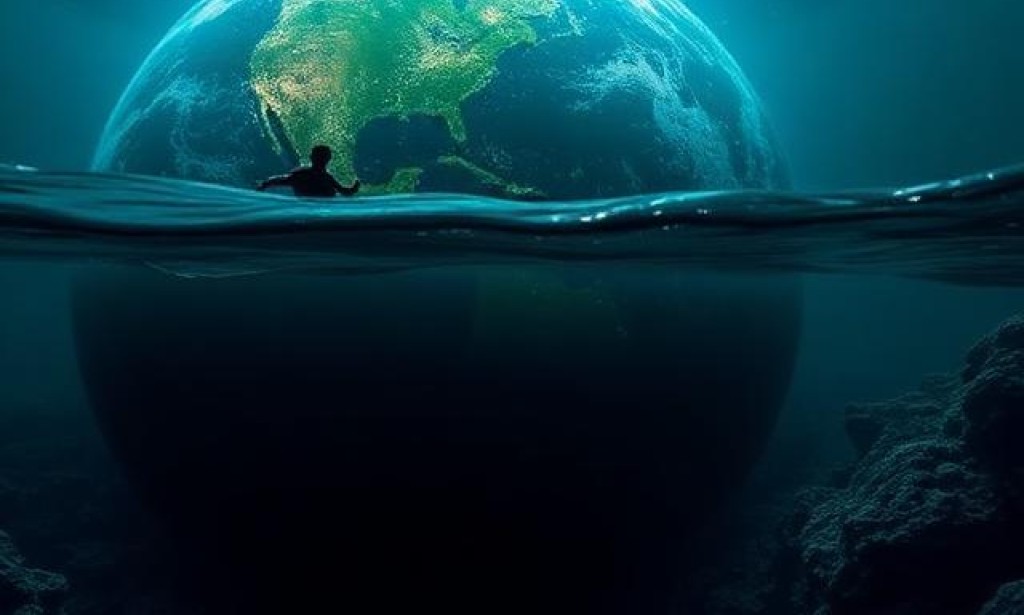
Shocking Facts About the Planet That Will Surprise You
Introduction
Our planet is full of mysteries, hidden wonders, and mind-blowing realities that most people never stop to consider. From oceans that remain largely unexplored to invisible forces shaping life itself, Earth is far stranger—and more fascinating—than it appears on the surface.
Despite centuries of scientific advancement, we’ve only scratched the surface of understanding our world. In fact, many discoveries in recent decades have challenged long-held beliefs and revealed truths that seem almost unbelievable.
In this article, we’ll explore some of the most shocking facts about our planet—facts that will change how you see Earth, nature, and even your place in the universe.
1. Most of Earth Is Still Unexplored
We Know More About Space Than Our Oceans
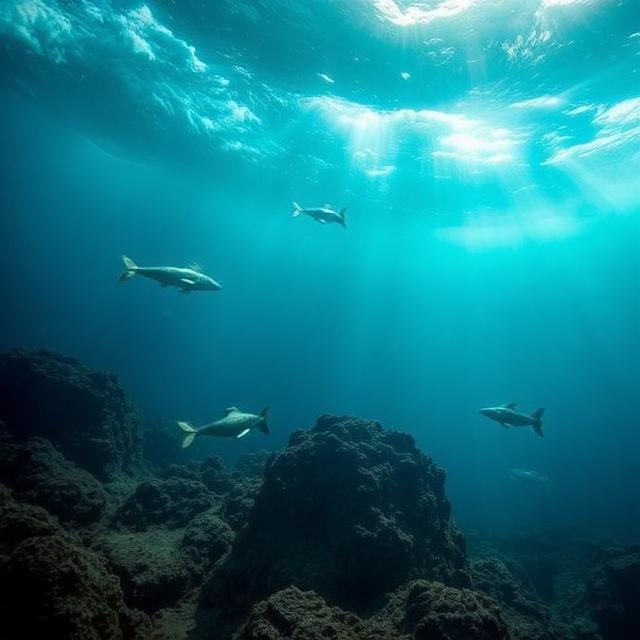
It may sound unbelievable, but scientists estimate that over 80% of the ocean remains unexplored. While we’ve sent spacecraft far beyond our solar system, the deep sea on our own planet remains largely unknown.
Why this is shocking:
The ocean covers over 70% of Earth’s surface
Thousands of species are still undiscovered
Deep-sea ecosystems exist in complete darkness
Hidden Worlds Beneath the Surface
Deep underwater trenches, like the Mariana Trench, are so extreme that they host life forms unlike anything found on land.
Examples of strange discoveries:
Glowing (bioluminescent) creatures
Animals that survive extreme pressure
Microorganisms that don’t need sunlight
2. Earth’s Core Is as Hot as the Sun
A Fiery Center Beneath Your Feet
The Earth’s inner core reaches temperatures of around 5,000–6,000°C, which is nearly as hot as the surface of the Sun.
What Makes This Even More Surprising
Despite these extreme temperatures, the core remains solid due to immense pressure.
Key facts:
The core is made mostly of iron and nickel
Pressure is over 3 million times atmospheric pressure
It plays a crucial role in generating Earth’s magnetic field
3. Continents Are Still Moving Right Now
The Planet Is Constantly Shifting
Earth’s surface is divided into tectonic plates that are slowly moving—even as you read this.
How Fast Do They Move?
About the same speed as your fingernails grow
A few centimeters per year
Why This Matters
This movement causes:
Earthquakes
Volcanoes
Formation of mountains
Shocking reality:
Millions of years from now, continents will be in completely different positions.
4. There Are “Rivers” in the Ocean
Underwater Currents Flow Like Rivers
Deep beneath the ocean surface, there are massive currents that flow like rivers, complete with “banks” and “waterfalls.”
How Is This Possible?
These underwater rivers are formed by differences in:
Salinity
Temperature
Density
Amazing fact:
Some underwater waterfalls are hundreds of times larger than those on land.
5. Lightning Strikes Earth Millions of Times Daily
A Constant Electrical Storm
Lightning strikes Earth around 8 million times per day.
Why This Is Shocking
That’s about:
100 strikes per second
Continuous electrical activity worldwide
What lightning can do:
Heat the air hotter than the Sun’s surface
Create glass structures in sand (fulgurites)
Trigger wildfires
6. Earth Has Natural “Breathing” Forests
Forests That Pulse with Life
Forests don’t just sit quietly—they “breathe” by exchanging gases with the atmosphere.
The Amazon’s Hidden Power
The Amazon rainforest produces about 20% of the world’s oxygen (though much is reabsorbed).
What makes this fascinating:
Trees communicate through root systems
Forests influence global climate
Massive carbon storage systems
7. There Are Lakes That Can Explode
Deadly Gas Traps Beneath Water
Certain lakes contain large amounts of dissolved gases like carbon dioxide.
The Danger
If disturbed, these gases can suddenly erupt, suffocating nearby life.
Real-life consequences:
Entire villages have been wiped out
Animals collapse instantly
8. The Earth Isn’t a Perfect Sphere
It’s Actually Slightly Squashed
Earth is an oblate spheroid, meaning it bulges at the equator and flattens at the poles.
Why Does This Happen?
Rotation causes centrifugal force
This pushes mass outward at the equator
Interesting detail:
You weigh slightly less at the equator than at the poles.
9. Antarctica Is a Desert
Not All Deserts Are Hot
Antarctica is the largest desert on Earth, even though it’s covered in ice.
Why It’s Considered a Desert
It receives very little precipitation
Some areas haven’t seen rain in millions of years
Surprising truth:
Cold deserts can be just as dry as hot ones.
10. Earth’s Magnetic Field Can Flip
A Planetary Reset Button
Earth’s magnetic poles have flipped many times in history.
What Happens During a Flip?
North becomes south and vice versa
The process takes thousands of years
Why it’s shocking:
It can disrupt satellites and technology
It affects animal navigation
11. There Are More Trees Than Stars in the Milky Way
Nature’s Unexpected Abundance
Scientists estimate there are about 3 trillion trees on Earth, which is more than the number of stars in our galaxy.
Why This Matters
Trees are vital for oxygen production
They regulate climate
They support biodiversity
12. Some Places Haven’t Seen Rain for Millions of Years
Hyper-Dry Regions Exist
Parts of the Atacama Desert are so dry that rainfall is almost nonexistent.
Shocking Reality
Some areas haven’t recorded rain in millions of years
Microbial life still survives there
13. Earth Has Living Rocks
Microbial Life Inside Stone
Certain rocks contain microorganisms that live and reproduce inside them.
Why This Is Fascinating
These organisms survive extreme conditions
They don’t need sunlight
They challenge our understanding of life
14. The Ground Beneath You Is Alive
Soil Is a Living Ecosystem
A single teaspoon of soil contains:
Billions of bacteria
Thousands of species
Complex ecosystems
Why This Matters
Healthy soil is essential for:
Food production
Water filtration
Climate stability
15. Earth’s Rotation Is Slowing Down
Days Are Getting Longer
Earth’s rotation is gradually slowing due to gravitational interactions with the Moon.
The Impact
Days are becoming longer by milliseconds
Millions of years ago, a day lasted only about 22 hours
16. Volcanoes Can Create New Land Instantly
Land Born from Fire
Volcanic eruptions can form entirely new islands in a matter of days or weeks.
How It Happens
Lava cools and solidifies
Layers build up over time
Examples include:
Newly formed islands in oceans
Expanding coastlines
17. Earth Has Giant “Invisible” Waves
Gravity Waves in the Atmosphere
Not all waves are visible. The atmosphere contains massive waves that move energy across the planet.
Why This Is Shocking
These waves influence weather patterns
They can travel thousands of kilometers
They’re invisible to the naked eye
18. Some Animals Can Predict Natural Disasters
Nature’s Early Warning System
Animals often behave strangely before earthquakes or storms.
Possible Reasons
Sensitivity to vibrations
Ability to detect pressure changes
Awareness of electromagnetic shifts
19. The Planet Produces Its Own Electricity
A Giant Natural Generator
Earth generates electricity through:
Lightning
Magnetic fields
Atmospheric interactions
Why This Matters
These processes:
Affect communication systems
Influence weather
Power natural cycles
20. Humans Have Explored Less Than 0.01% of Earth’s Depth
A World Still Hidden
Despite advanced technology, humans have barely explored the deep Earth and ocean floors.
What This Means
Countless discoveries await
Unknown ecosystems exist
Our planet is still full of secrets
Conclusion
Earth is not just a place we live—it’s a dynamic, mysterious, and constantly evolving system filled with wonders that challenge our understanding of reality. From exploding lakes to living rocks, and from shifting continents to hidden underwater rivers, the planet continues to surprise us in ways we never imagined.
The most shocking truth of all? We still know so little.
As science progresses, one thing becomes clear: the more we learn about Earth, the more questions arise. And perhaps that’s what makes our planet truly extraordinary.

You must be logged in to post a comment.