
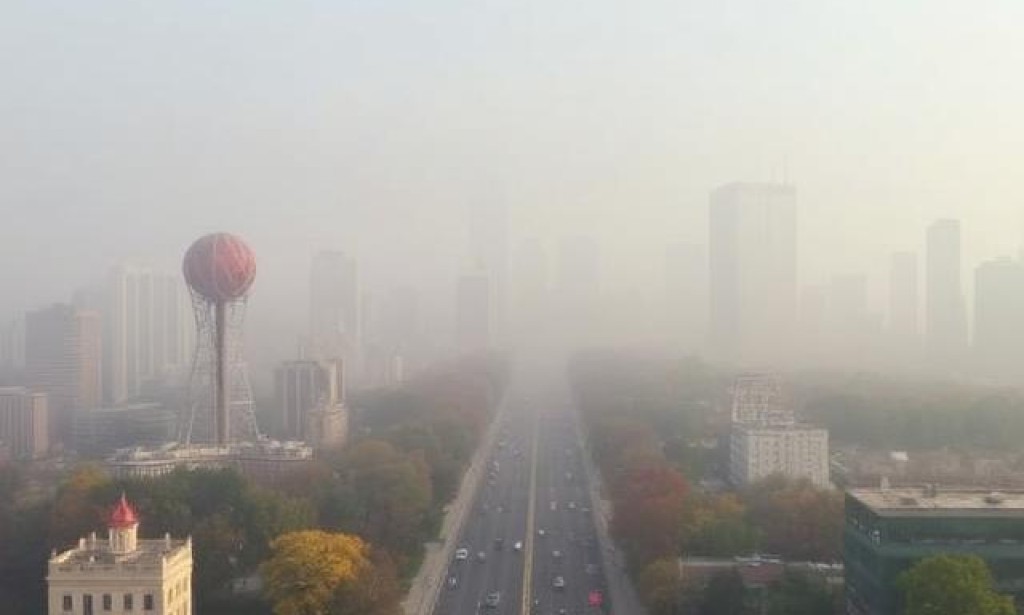
Smog and Memory Loss: The Air Pollution Link Nobody Talks About

Air pollution isn’t just a lung problem. It’s a brain problem too. While most conversations around smog focus on asthma, heart disease, and climate impacts, a quieter crisis is unfolding inside our heads: memory loss, slower thinking, and long-term cognitive decline linked to dirty air.
Researchers across the world—from to —are sounding the alarm. The evidence is stacking up. The air you breathe today can shape how well your brain works tomorrow.
This deep-dive article unpacks the science, the risks, and the practical steps you can take to protect your mind.
What Is Smog and Why Is It So Dangerous?
Smog is a toxic mix of gases and fine particles created by human activity and environmental conditions.
Key Components of Smog
Smog isn’t one single pollutant. It’s a cocktail of harmful substances:
PM2.5 (fine particulate matter)
Tiny particles that penetrate deep into the lungs and bloodstream.
Nitrogen dioxide (NO₂)
Mostly from vehicle exhaust and power plants.
Ozone (O₃)
A ground-level gas formed when sunlight reacts with pollution.
Volatile organic compounds (VOCs)
Emitted from fuels, paints, and industrial processes.
Why PM2.5 Is Especially Harmful to the Brain
PM2.5 particles are smaller than a human hair by a massive margin. Because of their size, they can:
Enter the bloodstream
Cross the blood–brain barrier
Trigger inflammation in brain tissue
Disrupt neuron communication
This makes them uniquely dangerous for memory and learning.
The Brain–Air Pollution Connection
For decades, scientists focused on how air pollution damages lungs and hearts. Brain health barely entered the conversation. That’s changing fast.
How Polluted Air Reaches Your Brain
Air pollutants reach your brain through two main pathways:
Bloodstream route
Inhaled particles move from lungs to blood and into the brain.
Olfactory nerve route
Ultra-fine particles travel directly from the nose to the brain.
Once there, they trigger a cascade of damage.
Inflammation: The Silent Brain Killer
Chronic exposure to smog leads to persistent inflammation in the brain.
This inflammation:
Damages neurons
Reduces synaptic plasticity (your brain’s ability to learn)
Accelerates cognitive aging
Increases vulnerability to neurodegenerative diseases
What Science Says About Smog and Memory Loss
The evidence is no longer anecdotal. It’s peer-reviewed, global, and consistent.
Major Research Findings
Large studies from institutions like show:
Long-term exposure to PM2.5 is linked to faster cognitive decline.
People in polluted areas perform worse on memory tests.
Older adults exposed to smog have higher dementia risk.
Smog and Dementia Risk
Research indicates air pollution may contribute to conditions like:
Pollution doesn’t “cause” these diseases outright—but it increases vulnerability by damaging brain cells over time.
Children and Cognitive Development
Kids are even more vulnerable.
Studies show:
Lower IQ scores in polluted environments
Reduced attention span
Slower language development
Memory deficits that can persist into adulthood
Developing brains absorb more toxins relative to body size.
How Smog Accelerates Brain Aging
Your brain ages naturally. Smog speeds that process up.
Oxidative Stress and Neuron Damage
Air pollutants create oxidative stress, which:
Breaks down cell membranes
Damages DNA
Impairs neurotransmitters
Shrinks critical brain regions linked to memory
Shrinking Memory Centers
MRI scans reveal people exposed to higher pollution often have:
Smaller hippocampus (memory hub)
Reduced gray matter
Weaker connectivity between brain regions
This correlates with forgetfulness, slower thinking, and reduced learning ability.
Who Is Most at Risk?
Not everyone is affected equally.
High-Risk Groups
Children
Developing brains are extremely sensitive.
Older adults
Age-related vulnerability magnifies damage.
Urban residents
Traffic pollution increases daily exposure.
People with pre-existing conditions
Heart disease and diabetes worsen neurological outcomes.
Environmental Inequality
Communities with fewer resources often face higher pollution exposure.
This creates a vicious cycle:
Higher pollution
Worse health outcomes
Reduced access to healthcare
Long-term cognitive disadvantages
The Hidden Symptoms of Pollution-Related Cognitive Decline
Smog-related memory loss is subtle at first.
Early Warning Signs
Brain fog
Forgetting names or appointments
Difficulty concentrating
Slower reaction time
Mental fatigue
These symptoms often get blamed on stress or aging, delaying intervention.
Smog vs. Your Brain: What’s Happening at the Cellular Level?
Let’s zoom in.
What Happens Inside Your Brain Cells
Pollution exposure leads to:
Microglial activation (brain immune cells go into overdrive)
Chronic neuroinflammation
Neuronal death
Disrupted neurotransmitter balance
Over time, this degrades memory circuits.
Real-World Examples: Cities and Cognitive Health
Some cities illustrate the problem clearly.
High Pollution, Higher Cognitive Risk
Studies comparing cities show that residents in smog-heavy areas experience:
Faster memory decline
Higher dementia incidence
Poorer academic performance in children
Urban pollution isn’t just inconvenient—it’s neurologically expensive.
Can Clean Air Improve Memory?
Yes—and the improvements are measurable.
What Happens When Air Quality Improves
When pollution drops:
Cognitive test scores improve
Inflammation markers decline
Memory retention increases
School performance rises
Even short-term air quality improvements can lead to noticeable mental clarity.
How to Protect Your Brain From Smog
You can’t control city pollution—but you can reduce your exposure.
Practical Steps You Can Take Today
Track air quality daily
Use apps or local reports.
Limit outdoor activity on high-smog days
Especially during peak traffic hours.
Use air purifiers indoors
Focus on bedrooms and workspaces.
Seal indoor air leaks
Reduce infiltration of outdoor pollutants.
Exercise in cleaner environments
Parks away from traffic are better than roadside jogging.
Brain-Boosting Habits That Help Offset Damage
Eat antioxidant-rich foods
Stay hydrated
Prioritize quality sleep
Practice mental stimulation (reading, puzzles)
Maintain cardiovascular fitness
These don’t cancel pollution—but they strengthen resilience.
Policy, Public Health, and Why This Topic Is Ignored
The brain isn’t part of most pollution conversations.
Why Memory Loss Isn’t in the Headlines
Lung and heart damage show faster symptoms
Cognitive decline is slow and invisible
Dementia is often blamed solely on aging
Brain impacts are harder to measure immediately
Yet ignoring this link is costing societies billions in healthcare and lost productivity.
The Role of Public Health Agencies
Organizations like emphasize air quality standards—but neurological impacts need stronger recognition in policy.
What the Future Looks Like
The science is moving fast.
Emerging Research Frontiers
Brain imaging tied to pollution exposure
Genetic vulnerability to smog damage
Early biomarkers for pollution-related memory loss
Smart-city design to reduce cognitive health risks
As awareness grows, air quality may become as central to brain health as diet and exercise.
FAQs: Smog and Memory Loss
Can air pollution really affect memory?
Yes. Long-term exposure damages brain cells and memory centers through inflammation and oxidative stress.
Is the damage reversible?
Some cognitive improvements happen when exposure drops. Severe or long-term damage may not be fully reversible.
Does wearing a mask help?
High-quality masks can reduce inhalation of particles outdoors but are not a complete solution.
Is indoor air safer?
Often, but only if ventilation and filtration are good. Outdoor pollution seeps indoors.
Key Takeaways
Smog doesn’t just harm lungs—it harms memory.
Fine particles can cross into the brain and damage neurons.
Long-term exposure accelerates brain aging and dementia risk.
Children and older adults face the greatest danger.
Cleaner air leads to better thinking and memory.
Final Thoughts: Your Brain Deserves Clean Air
The air you breathe shapes how you think, remember, and age. Smog isn’t just a skyline problem—it’s a memory problem. While individuals can reduce exposure, real protection requires community action, smarter urban planning, and stronger environmental policy.
Clean air isn’t a luxury. It’s cognitive healthcare.

You must be logged in to post a comment.