
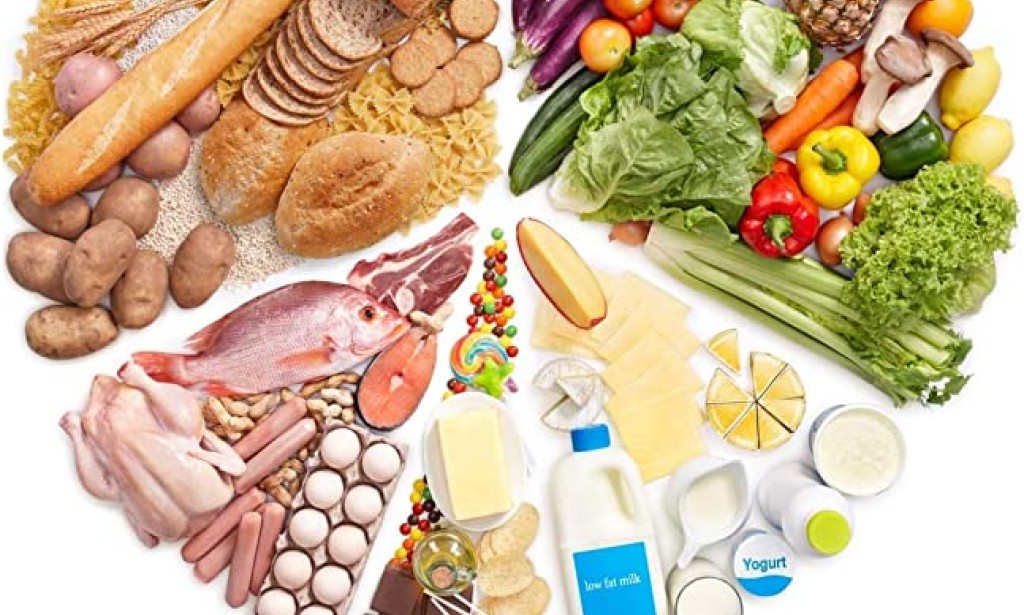
Eating a balanced and healthy diet is one of the most important things you can do to maintain excellent health. The immune system can be boosted, inflammation can be reduced, and the risk of developing chronic diseases like diabetes and heart disease can be decreased by eating certain foods.
The following is a list of some of the healthiest foods you can eat:
1.Leafy Greens
Leafy greens like spinach, kale, and collard greens are rich in minerals like iron, calcium, and vitamin K. They are also a great source of antioxidants, which help to reduce inflammatory processes in the body and prevent chronic diseases like cancer and heart disease. A diet rich in leafy green vegetables has also been linked to improved cognitive function and a lower risk of cognitive decline.
2. Berry
Berries contain antioxidants that protect cells from the damage caused by free radicals. They also have a lot of fiber, which can aid in digestion and reduce the chance of constipation. Vitamin C, which is essential for the functioning of the immune system and skin, is also abundant in berries. Some of the berries that are the healthiest include blueberries, raspberries, and strawberries.
3. Whole grains
Brown rice, quinoa, and whole wheat are examples of whole grains that are high in fiber, vitamins, and minerals. They are also a great source of complex carbohydrates, which give you sustained energy and can regulate your blood sugar levels. The consumption of whole grains has also been linked to a decreased risk of heart disease, type 2 diabetes, and various cancers.
4. Seeds and Nuts
Nuts and seeds are a great source of fiber, protein, and healthy fats. A good source of vitamins and minerals like zinc, magnesium, and vitamin E can also be found in them. Consuming nuts and seeds has been linked to improved cognitive function and a lower chance of developing heart disease. Some of the healthiest nuts and seeds include almonds, walnuts, chia seeds, and flaxseeds.
5. Fatty fish
Fatty fish like salmon, mackerel, and sardines are rich sources of omega-3 fatty acids, which are essential for heart and brain function. Taking omega-3 fatty acids has been linked to a lower risk of anxiety and depression-related mood disorders. They are essential for maintaining healthy skin and reducing inflammatory reactions in the body.
6. Legumes
Legumes like lentils, beans, and chickpeas are examples of plant-based sources of protein, fiber, and carbohydrates. Additionally, they are a wonderful source of vitamins and minerals like iron, zinc, and magnesium. Heart disease, type 2 diabetes, and a number of cancers have been shown to be less common in people who eat legumes. They can also improve digestion and lessen the likelihood of constipation.
7. Probiotic Foods
Fermented foods like yogurt, kefir, and sauerkraut include probiotics, which are beneficial microorganisms that live in the gut. Probiotics help to improve digestion, the immune system, and the reduction of inflammation in the body. A lower risk of chronic diseases like type 2 diabetes, obesity, and heart disease has also been linked to eating foods that have undergone fermentation.
Finally, consuming a diet rich in whole, nutrient-dense foods can benefit your health in a variety of ways. Leafy greens, berries, whole grains, nuts and seeds, fatty fish, legumes, and fermented foods are some of the healthiest things you can eat. You may boost your energy levels, fortify your immune system, reduce inflammation, and reduce your chance of developing certain diseases by incorporating these foods into your diet on a regular basis

You must be logged in to post a comment.