
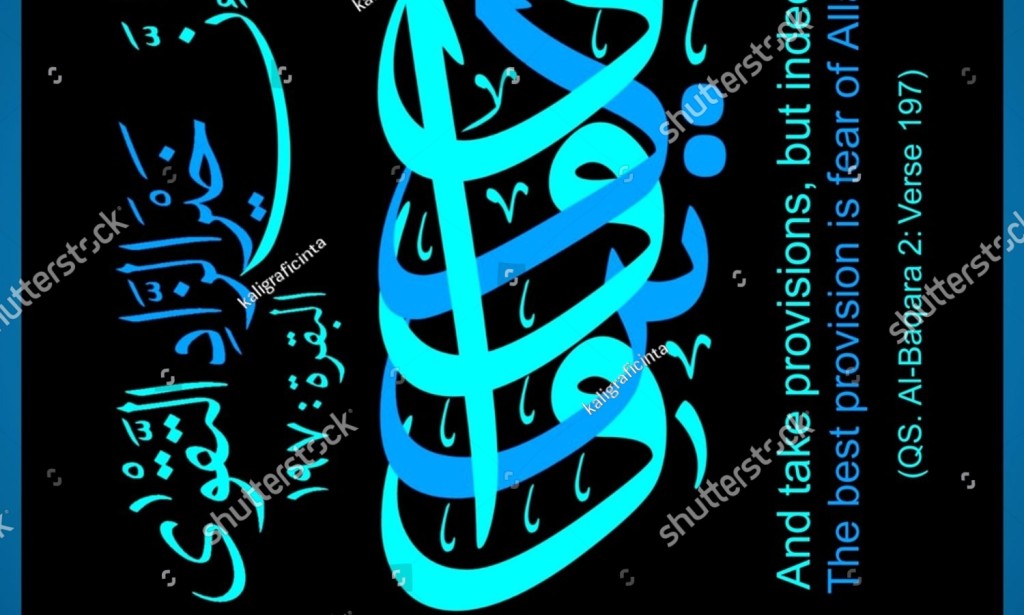
**Surah Al-Baqarah (The Cow) - Outline and Commentary:**
Surah Al-Baqarah is the second and the longest Surah in the Quran, comprising of 286 sections (Ayahs). Its name, "The Cow," is gotten from a story inside the Surah about a cow. Al-Baqarah was uncovered in Medina and covers many subjects, offering thorough direction for individual, social, and profound parts of life.
**1. Opening and Guidance:**
Al-Baqarah starts with the commendation of Allah, the Most Lenient and Generally Merciful, and a statement of the Quran as a direction for the equitable. It establishes the vibe for the Surah by underscoring the real significance, petition, and the Quranic direction.
**2. Confidence and Obedience:**
The Surah stresses the meaning of confidence (iman) and dutifulness to Allah. It urges devotees to lay out petition, give good cause, and put stock in the concealed. It likewise addresses the difficulties looked by the early Muslim people group.
**3. Lawful and Moral Guidelines:**
Al-Baqarah gives itemized legitimate and moral standards, remembering direction for family matters, business, law enforcement, and social lead. It presents the idea of Sharia, the Islamic general set of laws, and layouts rules for different parts of life.
**4. Accounts of Prophets:**
The Surah describes accounts of different prophets, including Adam, Moses, and Jesus. These stories act as illustrations in confidence, constancy, and the outcomes of dismissing heavenly direction. The tales show the repetitive topic of the outcomes of rebellion and the prizes of submission.
**5. Contract and Responsibility:**
Al-Baqarah examines the agreement that God made with the Offspring of Israel and stresses the obligations that accompany divine direction. It cautions against the deviation from God's rules and the results of breaking the pledge.
**6. Petition, Fasting, and Charity:**
The Surah further explains on the meaning of supplication, fasting, and noble cause as fundamental mainstays of Islamic practice. It presents the idea of fasting during the long stretch of Ramadan and diagrams the principles of Zakat (good cause).
**7. Struggle and Warfare:**
Al-Baqarah resolves issues connected with struggle and fighting, illustrating rules for self-protection and the direct of war. It underlines the sacredness of human existence and the standards of equity even in the midst of contention.
**8. Call to Reflect and Repent:**
All through the Surah, there is a rehashed call to consider the indications of God in the creation, the sacred texts, and the human spirit. Devotees are encouraged to atone for their inadequacies and look for pardoning from Allah.
**9. Pledge with Muslims:**
Refrains 2:207-286 spotlight on the contract among Allah and the Muslim people group. Adherents are helped to remember their obligations, the meaning of petition, and the need to look for pardoning and benevolence.
**10. The Cow Incident:**
The tale of the cow (sections 2:67-73) fills in as a verifiable illustration, stressing the significance of submission to divine orders and the outcomes of scrutinizing God's direction.
**11. Finishing up Verses:**
The Surah finishes up with a call to confidence, petition, and accommodation to God's will. It empowers looking for shelter in Allah from underhanded impacts and finishes with a sign of God's leniency and pardoning.
In rundown, Surah Al-Baqarah envelops a wide exhibit of topics, offering direction on trust, regulation, profound quality, and individual lead. Its extensive nature makes it a foundation of Islamic lessons, giving a comprehensive structure to a noble and only lifestyle.

You must be logged in to post a comment.