
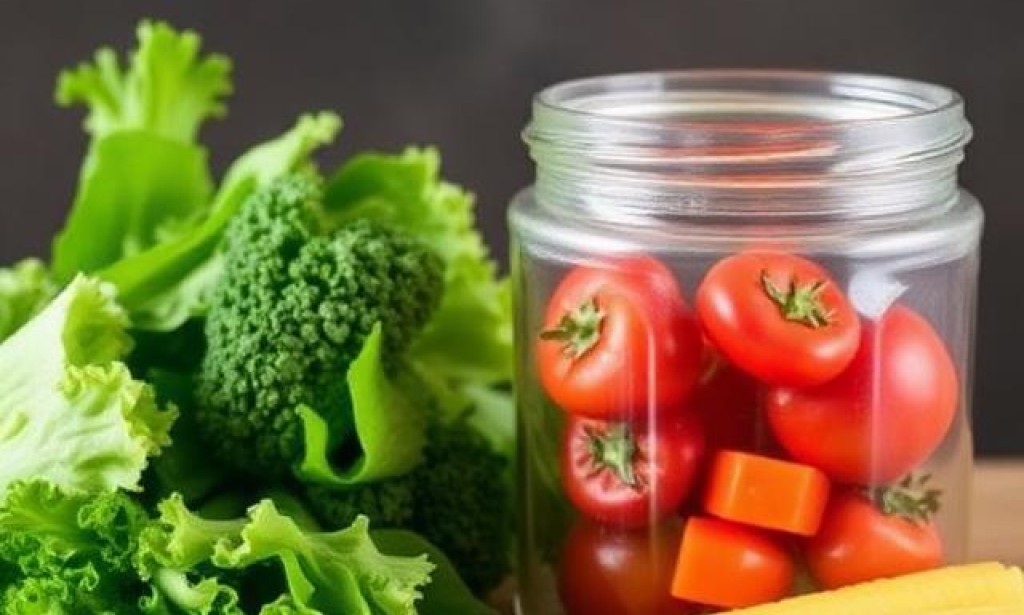
The 10-Second Trick to Keep Your Food Fresh 3x Longer
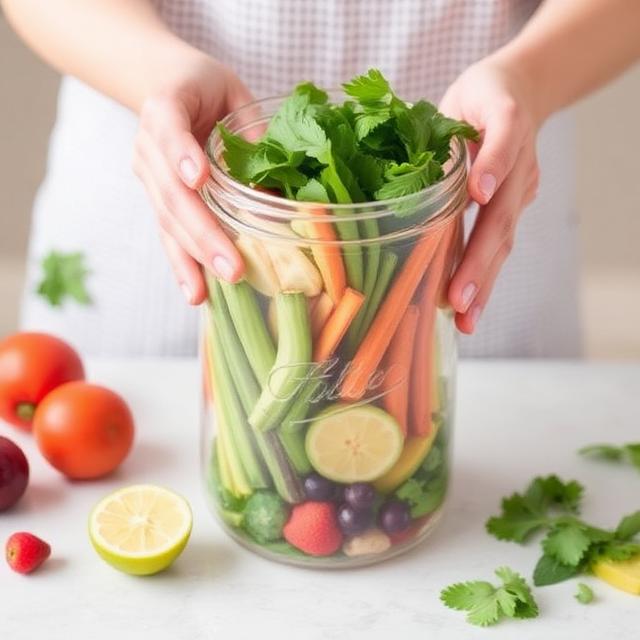
Food waste is one of those sneaky problems that hits both your wallet and the planet. You buy fresh produce with good intentions… and three days later, it’s limp, moldy, or headed for the trash. The good news? There’s a simple 10-second habit that can help your food stay fresh up to 3x longer—and it doesn’t require fancy gadgets or expensive containers.
This long-form, guide breaks down the exact trick, why it works, and how to use it for fruits, vegetables, herbs, bread, dairy, and leftovers. You’ll also get practical storage tips, quick bullet points, and common mistakes to avoid.
Why Food Goes Bad So Fast
Food spoilage happens mainly because of air, moisture, bacteria, and temperature changes. When these factors are uncontrolled, food degrades faster.
The Main Causes of Spoilage
Oxygen exposure speeds up oxidation
Excess moisture encourages mold and bacteria
Temperature swings break down food structure
Improper storage traps humidity and odors
Cross-contamination spreads microbes
Even fresh food from the store starts to degrade the moment you bring it home.
The 10-Second Trick to Keep Food Fresh 3x Longer
The trick is simple:
Remove excess air + control moisture before storing your food.
This takes about 10 seconds per item and dramatically slows spoilage.
The Exact Steps
Gently dry food if it’s wet
Wrap or seal to limit air exposure
Add moisture control (paper towel or breathable liner)
Store in the right temperature zone
This combo reduces oxidation, slows bacterial growth, and keeps textures crisp.
Why This 10-Second Habit Works
It Slows Oxidation
Oxygen causes browning and decay
Less air = slower breakdown
It Controls Moisture Levels
Too wet = mold
Too dry = wilting
Balanced humidity = longer freshness
It Reduces Bacterial Growth
Bacteria love warm, wet environments
Drying + sealing creates an unfriendly zone for microbes
How to Use the Trick for Different Foods
Vegetables
Fresh veggies are delicate and sensitive to moisture and air.
Best Practices for Vegetables
Rinse, then pat dry
Wrap in a paper towel
Store in a breathable container
Bullet Points:
Leafy greens last 2–3x longer when dried first
Cucumbers stay crisp without excess moisture
Bell peppers resist mold when air exposure is reduced
Fruits
Fruits release ethylene gas, which speeds ripening and decay.
Best Practices for Fruits
Keep ethylene producers separate
Remove excess moisture
Store loosely covered
Bullet Points:
Berries last longer when completely dry
Apples spoil other fruit faster
Citrus molds quickly when trapped in moisture
Fresh Herbs
Herbs are notorious for wilting fast.
Best Practices for Herbs
Trim the stems
Wrap loosely in a damp paper towel
Store in a container with slight airflow
Bullet Points:
Basil hates cold—store at room temperature
Parsley and cilantro last longer in the fridge
Herbs die faster when crushed or tightly packed
Bread and Baked Goods
Bread goes stale or moldy due to moisture imbalance.
Best Practices for Bread
Press excess air out of the bag
Store at room temperature
Freeze what you won’t eat in 2–3 days
Bullet Points:
Refrigerating bread dries it out
Freezing locks in freshness
Slice before freezing for convenience
Cheese and Dairy
Cheese sweats and molds easily when wrapped incorrectly.
Best Practices for Cheese
Wrap in wax paper or parchment first
Place inside a loose container
Avoid airtight plastic wrap directly on cheese
Bullet Points:
Hard cheeses last longer with airflow
Soft cheeses need moisture control
Wipe containers regularly
Leftovers
Improper storage ruins leftovers fast.
Best Practices for Leftovers
Let food cool slightly
Remove excess air from containers
Store in shallow containers
Bullet Points:
Shallow containers cool faster
Sealed food prevents odor transfer
Label with dates
The Biggest Mistakes That Make Food Spoil Faster
Storing Wet Produce
Trapped moisture = mold
Always dry before storing
Overcrowding Containers
Poor airflow causes faster decay
Leave space between items
Using the Wrong Fridge Zones
Crisper drawers regulate humidity
Door shelves are warmest
Ignoring Ethylene Gas
Some fruits speed up spoilage for others:
Apples
Bananas
Avocados
Tomatoes
Keep them separate from sensitive produce.
Refrigerator Zones: Where Your Food Should Go
Different fridge zones have different temperatures.
Coldest Zone
Raw meat
Fish
Dairy
Crisper Drawers
High humidity: leafy greens
Low humidity: fruits
Door Shelves
Condiments
Sauces
Drinks
Bullet Points:
Don’t store milk in the door
Keep herbs in crisper drawers
Store leftovers in the middle shelf
How This 10-Second Trick Saves Money
Food waste adds up fast.
Realistic Savings
Less produce thrown away
Fewer grocery trips
Better meal planning
Bullet Points:
A family can save hundreds per year
Single households waste the most food
Proper storage cuts waste by up to 50%
How This Trick Helps the Environment
Food waste contributes to climate change.
Environmental Impact
Wasted food = wasted water
Decomposing food releases methane
Transported food has a carbon footprint
Bullet Points:
Less waste = lower emissions
Smart storage reduces landfill pressure
Small habits create big change
Quick 10-Second Routine You Can Use Daily
Here’s a simple system you can follow every time you unpack groceries:
The 4-Step Freshness Routine
Dry – Remove surface moisture
Seal – Reduce air exposure
Buffer – Add paper towel if needed
Store smart – Use correct fridge zone
This entire process takes about 10 seconds per item and compounds into massive freshness gains.
Tools That Make the 10-Second Trick Easier
While you don’t need fancy tools, these help:
Optional Storage Helpers
Reusable produce containers
Breathable produce bags
Silicone food covers
Glass storage containers
Bullet Points:
Avoid single-use plastic when possible
Choose containers with vents
Wash containers weekly
FAQs About Keeping Food Fresh Longer
Does This Trick Work for All Foods?
Yes, but you may need slight adjustments based on moisture levels and storage temperature.
Should I Wash Produce Before Storing?
Wash hardy produce first
Wash berries right before eating
Always dry thoroughly
How Long Will Food Actually Last?
Leafy greens: up to 10–14 days
Berries: 5–7 days
Herbs: 1–2 weeks
Leftovers: 3–5 days
Weekly Food Freshness Checklist
Use this to reset your fridge:
Remove spoiled items
Wipe containers
Dry fresh produce
Rotate older food to the front
Check fridge temperature
Final Thoughts: Small Habit, Big Results
The 10-second trick isn’t magic—it’s science. By removing excess air and controlling moisture before storing food, you dramatically slow down spoilage. This tiny habit helps you:
Waste less food
Save more money
Eat fresher meals
Reduce your environmental footprint
If you apply this method consistently, you’ll notice your groceries staying fresh 2–3x longer—without changing what you buy or how you cook.
Key Takeaways
Dry food before storing
Reduce air exposure
Control moisture
Use correct fridge zones
Separate ethylene-producing fruits

You must be logged in to post a comment.