
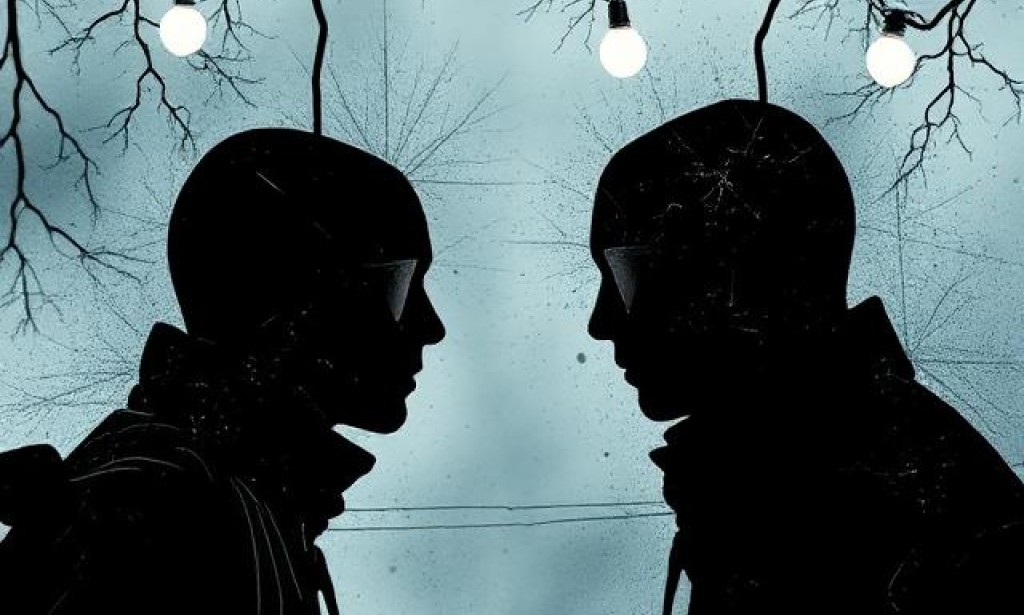
The Hidden Enemy Within: How the People Closest to You Quietly Destroy Your Life

Introduction
We’re taught from a young age that the people closest to us—family, friends, partners—are our greatest sources of love, support, and protection. And often, they are. But what if some of the deepest damage in your life isn’t coming from strangers… but from those very same people?
This is a difficult truth to confront.
Not all harm is loud. Not all enemies are obvious. In fact, the most dangerous emotional and psychological damage often comes quietly—through subtle words, small actions, and repeated patterns that slowly shape your beliefs, your confidence, and ultimately, your life.
This article explores the hidden ways the people closest to you can negatively influence your growth, self-worth, and success—and how to recognize, protect, and reclaim your power.
H2: The Psychology of Hidden Harm
H3: Why the Closest People Have the Strongest Impact
The people closest to you hold emotional authority. Their opinions matter more. Their words carry more weight. Their approval—or disapproval—can shape your identity.
This is because:
You trust them deeply
You spend the most time with them
You are emotionally vulnerable around them
You seek validation from them
When these same people become sources of negativity, the damage cuts deeper than anything a stranger could ever do.
H3: The Danger of Subtle Toxicity
Not all harmful behavior is aggressive or obvious. Some of it is quiet, disguised as concern, humor, or even love.
Examples include:
“I’m just saying this for your own good.”
“You’ve changed… and not in a good way.”
“Be realistic, that’s not for people like us.”
Over time, these small comments accumulate and reshape how you see yourself.
H2: Signs the People Around You Are Quietly Destroying Your Life
Recognizing the problem is the first step to escaping it.
H3: 1. Constant Criticism Disguised as Advice
Constructive feedback helps you grow. Constant criticism breaks you down.
Warning signs:
They always point out what’s wrong
They rarely acknowledge your progress
Their “advice” leaves you feeling worse, not better
Impact:
Low self-esteem
Fear of trying new things
Overthinking every decision
H3: 2. Emotional Manipulation and Guilt-Tripping
Manipulative people control you by making you feel guilty for choosing yourself.
Common phrases:
“After everything I’ve done for you…”
“You’ve become selfish.”
“You don’t care about us anymore.”
Impact:
You prioritize others over your own needs
You feel trapped in relationships
You lose your sense of independence
H3: 3. Lack of Support for Your Growth
When you try to improve your life, toxic people often resist.
Why?
Because your growth threatens their comfort.
Signs:
They mock your goals
They discourage your ambitions
They subtly hope you fail
Impact:
You shrink your dreams
You doubt your abilities
You stay stuck in your comfort zone
H3: 4. Passive-Aggressive Behavior
Not all hostility is direct.
Passive-aggressive people express negativity indirectly.
Examples:
Backhanded compliments
Silent treatment
Sarcasm with hidden resentment
Impact:
Confusion and emotional stress
Difficulty addressing issues
Increased anxiety
H3: 5. Jealousy Disguised as Concern
Sometimes, people close to you don’t want you to succeed—not because they hate you, but because your success reminds them of their own limitations.
Signs:
They downplay your achievements
They change the subject when you succeed
They highlight risks instead of possibilities
Impact:
You feel guilty for succeeding
You stop sharing your wins
You unconsciously sabotage yourself
H3: 6. Emotional Dependency and Control
Some people don’t want you to grow because they depend on you staying the same.
Examples:
They need constant attention
They resist your independence
They create drama when you focus on yourself
Impact:
Emotional exhaustion
Loss of personal freedom
Identity confusion
H2: Why You Don’t Notice It Immediately
H3: Familiarity Feels Safe
You’re used to these people. Their behavior feels “normal,” even when it’s harmful.
H3: Love Creates Blind Spots
You excuse behavior because you love them.
“They didn’t mean it.”
“That’s just how they are.”
“They care about me deep down.”
H3: Fear of Losing Relationships
You tolerate toxicity because you’re afraid of being alone.
This fear keeps you stuck in unhealthy dynamics.
H2: The Long-Term Effects on Your Life
If left unchecked, these hidden influences can shape your entire future.
H3: 1. Loss of Self-Identity
You begin to:
Think like them
Believe their limitations
Forget who you truly are
H3: 2. Chronic Self-Doubt
You question everything:
Your decisions
Your abilities
Your worth
H3: 3. Missed Opportunities
Because of fear and doubt, you avoid:
New challenges
Career growth
Personal development
H3: 4. Emotional Burnout
Constant negativity drains your mental energy.
You feel:
Exhausted
Unmotivated
Mentally stuck
H2: The Hard Truth: Not Everyone Wants You to Win
This is one of the most painful realizations.
Some people:
Prefer the version of you that is easy to control
Feel threatened by your growth
Benefit from your insecurity
This doesn’t always make them evil—but it does make them dangerous to your progress.
H2: How to Protect Yourself Without Losing Yourself
You don’t need to become cold or cut everyone off. But you do need boundaries.
H3: 1. Build Awareness
Start noticing patterns:
How do you feel after interacting with them?
Do you feel drained or energized?
Do you feel smaller or stronger?
Your emotions are signals—listen to them.
H3: 2. Set Clear Boundaries
Boundaries are not selfish—they are necessary.
Examples:
Limiting conversations about your goals
Saying “no” without over-explaining
Refusing to engage in negativity
H3: 3. Stop Seeking Validation
The more you rely on others for approval, the easier it is for them to control you.
Shift your mindset:
Trust your own decisions
Define your own success
Approve yourself first
H3: 4. Choose Your Inner Circle Carefully
Not everyone deserves close access to your life.
Look for people who:
Support your growth
Celebrate your success
Challenge you positively
H3: 5. Limit Emotional Exposure
You don’t have to share everything with everyone.
Protect your:
Goals
Plans
Vulnerabilities
Not everyone needs to know your next move.
H3: 6. Strengthen Your Self-Worth
The stronger your self-worth, the less power others have over you.
Build it by:
Keeping promises to yourself
Practicing self-discipline
Acknowledging your achievements
H2: When to Distance Yourself
Sometimes, boundaries are not enough.
You may need to create distance if:
The behavior continues despite communication
Your mental health is suffering
You feel consistently disrespected
Distance doesn’t always mean cutting people off completely—it can mean:
Less frequent contact
Emotional detachment
Redefining the relationship
H2: Letting Go of Guilt
One of the biggest barriers to change is guilt.
You may feel:
“I’m a bad person for pulling away.”
“They’ll be hurt.”
“I owe them.”
But protecting your peace is not betrayal.
It is self-respect.
H2: Rebuilding Your Life on Your Terms
Once you recognize and remove negative influences, your life begins to shift.
H3: You Think More Clearly
Without constant external noise, your thoughts become your own.
H3: You Act With Confidence
You stop second-guessing yourself and start taking action.
H3: You Attract Healthier Relationships
When you respect yourself, you naturally attract people who respect you.
H3: You Rediscover Who You Are
You reconnect with:
Your passions
Your goals
Your true identity
H2: Final Thoughts
The most dangerous enemies in life are not always visible.
Sometimes, they sit at your dinner table.
They call you every day.
They say they love you.
And sometimes… they do love you—but not in a way that helps you grow.
Recognizing this truth is not about blaming others. It’s about reclaiming control over your life.
You don’t need to hate anyone.
You don’t need to fight anyone.
But you do need to protect your mind, your energy, and your future.
Because at the end of the day, your life is shaped not just by who you love—
But by who you allow to influence you.

You must be logged in to post a comment.