
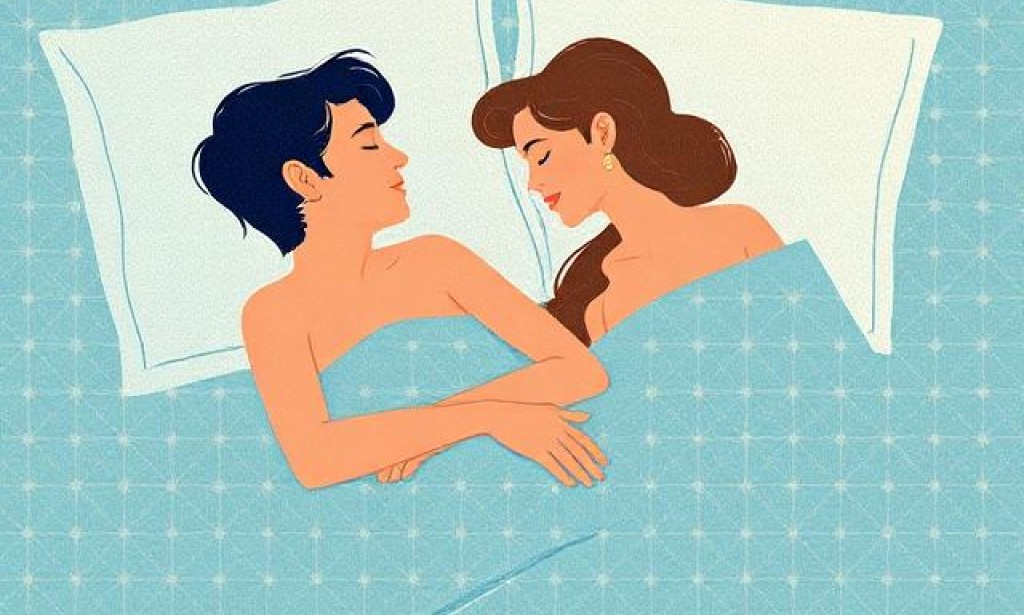
The Hidden Link Between Sleep Habits and Libido: How Rest Fuels Desire, Hormones, and Intimacy
Sleep and sex are two of the most fundamental human needs—yet most of us underestimate how tightly they’re connected. If your libido has felt off lately, your sleep habits might be the missing puzzle piece. From hormone production to mood, energy, and emotional connection, quality sleep quietly powers your sex drive.
This in-depth guide explores the hidden link between sleep habits and libido. You’ll learn the science behind the connection, how poor sleep disrupts desire, and practical, evidence-based ways to restore both your rest and your intimacy.
Understanding Libido and Sleep: The Foundation of Sexual Health
What Is Libido?
Libido refers to your natural sexual desire or interest in intimacy. It’s shaped by a mix of:
Hormones (testosterone, estrogen, progesterone)
Brain chemistry (dopamine, serotonin)
Physical health
Emotional well-being
Relationship dynamics
Lifestyle factors, including sleep
Libido isn’t fixed. It rises and falls across life stages, stress levels, health changes, and daily habits.
Why Sleep Is a Biological Powerhouse
Sleep isn’t “downtime.” It’s active maintenance for your brain and body. During sleep, your body:
Regulates hormones
Repairs cells and muscles
Consolidates memory
Balances neurotransmitters
Restores energy
Supports immune function
Without consistent, high-quality sleep, nearly every system tied to sexual function starts to wobble.
How Sleep Regulates Sex Hormones
Testosterone: The Libido Driver in All Genders
Testosterone is essential for sexual desire in both men and women. Research led by shows that testosterone production peaks during deep sleep and early REM cycles. Short sleep reduces testosterone levels significantly—even after just one week of restriction.
Low testosterone is linked to:
Lower sexual desire
Reduced arousal
Erectile difficulties
Less sexual satisfaction
If you’re sleeping 5–6 hours a night, your body simply isn’t getting enough time to make this crucial hormone.
Estrogen, Progesterone, and Sleep Cycles
For women, sleep affects estrogen and progesterone balance, which influences:
Vaginal lubrication
Arousal
Mood stability
Sensitivity to touch
Disrupted sleep can worsen PMS symptoms, intensify perimenopausal changes, and increase discomfort during sex.
Cortisol vs. Sex Hormones
When you don’t sleep well, cortisol (the stress hormone) rises. High cortisol suppresses reproductive hormones. In simple terms: your body prioritizes survival over pleasure when it’s stressed and exhausted.
The Brain’s Role: Sleep, Desire, and Arousal
How Sleep Supports Sexual Motivation
The brain governs desire through the limbic system and reward pathways. Sleep deprivation disrupts:
Dopamine signaling (pleasure and motivation)
Emotional regulation
Impulse control
Sensitivity to rewards
When you’re tired, the brain struggles to interpret sexual cues as rewarding. That’s why even a loving partner can feel less appealing after poor sleep.
REM Sleep and Erotic Dreams
REM sleep is tied to emotional processing and erotic dreaming. Healthy REM cycles:
Strengthen emotional bonds
Reinforce attraction
Improve mood and creativity
Support sexual imagination
Chronic sleep loss shortens REM sleep, flattening emotional responsiveness and sexual fantasy.
Fatigue, Mood, and Desire: The Emotional Link
Exhaustion Kills Desire
Physical tiredness directly reduces libido. When your energy tank is empty, intimacy feels like effort instead of pleasure.
Common signs your libido is suffering from fatigue:
You want sleep more than sex
Touch feels overwhelming
You avoid intimacy out of exhaustion
You feel emotionally numb
Sleep and Mental Health
Poor sleep worsens anxiety and depression—both major libido killers. Depression dampens pleasure, while anxiety increases performance worries and self-consciousness.
Sleep deprivation also increases irritability and emotional reactivity, making connection harder in relationships.
Sleep Disorders and Sexual Dysfunction
Insomnia and Low Libido
Chronic insomnia disrupts hormone cycles and increases stress hormones. People with insomnia often report:
Lower sexual desire
Difficulty becoming aroused
Reduced satisfaction
Sleep Apnea and Sexual Health
Sleep apnea reduces oxygen levels and fragments sleep, which is linked to erectile dysfunction and reduced libido. Studies from connect untreated sleep apnea with hormonal imbalances and vascular issues that impair sexual performance.
Restless Sleep and Hormonal Chaos
Frequent night awakenings interfere with deep sleep stages when most hormone regulation occurs. Even if you spend 8 hours in bed, fragmented sleep can wreck libido.
Lifestyle Habits That Hurt Sleep and Libido
Screens, Blue Light, and Arousal Suppression
Late-night screen use suppresses melatonin, delaying sleep and shortening deep sleep cycles. This creates a ripple effect:
Poor sleep
Hormone disruption
Lower desire the next day
Alcohol: The Libido Illusion
Alcohol may lower inhibitions, but it fragments sleep and reduces REM cycles. Over time, it lowers testosterone and impairs arousal.
Caffeine and Late Nights
Late caffeine delays sleep onset and reduces sleep quality. Chronic stimulation keeps cortisol high, pushing libido lower.
Relationship Dynamics: How Sleep Shapes Intimacy
Shared Sleep Schedules and Desire
Couples with mismatched sleep schedules often experience reduced intimacy. When one partner is exhausted while the other feels energetic, sexual timing becomes difficult.
Sleep Deprivation and Conflict
Lack of sleep increases conflict sensitivity. Small disagreements feel bigger, emotional patience shrinks, and emotional safety drops. Emotional safety is foundational for desire.
Bed as a Place for Connection, Not Stress
When the bed becomes associated with phones, arguments, or work emails, it stops feeling like a space for rest and intimacy. Reclaiming the bed as a calm zone can revive both sleep and desire.
How Much Sleep Do You Need for Healthy Libido?
The Sleep Sweet Spot
Most adults need 7–9 hours per night. Studies summarized by show that consistent sleep within this range supports hormone balance, mood stability, and energy levels linked to sexual interest.
Consistency Beats Perfection
Irregular sleep schedules confuse your circadian rhythm. Even if you sleep enough hours, shifting bedtimes reduce sleep quality. Stable rhythms improve libido more than occasional long sleep-ins.
Practical Ways to Improve Sleep and Boost Libido
Build a Libido-Friendly Sleep Routine
Go to bed and wake up at the same time daily
Dim lights 1 hour before bed
Avoid screens in the bedroom
Keep your room cool and dark
Reserve the bed for sleep and intimacy
Optimize Your Evening Habits
Stop caffeine after early afternoon
Limit alcohol close to bedtime
Eat lighter dinners
Try calming rituals like stretching or reading
Move Your Body During the Day
Regular exercise improves sleep quality and increases blood flow, which supports arousal. Avoid intense workouts too late at night.
Manage Stress Before Bed
Try:
Deep breathing
Journaling
Gentle yoga
Guided relaxation
Lower nighttime stress equals lower cortisol and better hormone balance.
Nutrition, Sleep, and Libido
Foods That Support Sleep and Desire
Magnesium-rich foods (leafy greens, nuts)
Zinc-rich foods (pumpkin seeds, seafood)
Tryptophan sources (turkey, yogurt)
Omega-3s (fatty fish, flaxseed)
These nutrients support neurotransmitters and hormones tied to both sleep and sexual health.
Hydration Matters
Dehydration increases fatigue and headaches, which indirectly lowers libido. Balanced hydration supports circulation and energy.
Gender-Specific Sleep and Libido Patterns
Sleep and Libido in Men
Poor sleep lowers testosterone, increases erectile difficulties, and reduces sexual confidence. Restorative sleep improves morning erections, energy, and desire.
Sleep and Libido in Women
Sleep loss worsens arousal issues, lubrication problems, and emotional disconnect. Women often need slightly more sleep than men for emotional regulation, which influences desire.
Age, Sleep Changes, and Sexual Desire
How Aging Alters Sleep
As we age, deep sleep decreases. This naturally reduces hormone production. Prioritizing sleep hygiene becomes even more important to protect libido.
Midlife Stress and Sleep Debt
Career demands, caregiving, and stress pile up in midlife. Chronic sleep debt quietly erodes sexual interest unless addressed intentionally.
When to Seek Professional Help
Red Flags to Watch For
Chronic insomnia
Loud snoring or breathing pauses
Persistent low libido despite lifestyle changes
Pain or discomfort during sex
Ongoing relationship strain linked to exhaustion
Who Can Help
Primary care physicians
Sleep specialists
Therapists or sex therapists
Addressing sleep issues often improves libido without medication.
Reframing Intimacy: Rest as Foreplay
Sleep isn’t separate from your sex life—it’s part of it. Rested bodies feel more pleasure. Rested minds feel safer, more curious, and more open to connection.
Think of good sleep as foreplay that starts hours before the bedroom. When you protect your rest, you protect your desire.
Final Thoughts: Sleep Is the Silent Libido Booster
Libido isn’t just about attraction or technique. It’s about biology, energy, hormones, and emotional safety. Sleep sits at the center of all of it.
If your desire feels low, don’t start with self-blame. Start with rest. Fixing sleep often fixes far more than just fatigue—it restores the conditions your body and mind need to want intimacy again.
Tonight, choose sleep like it matters—because your desire depends on it.

You must be logged in to post a comment.