
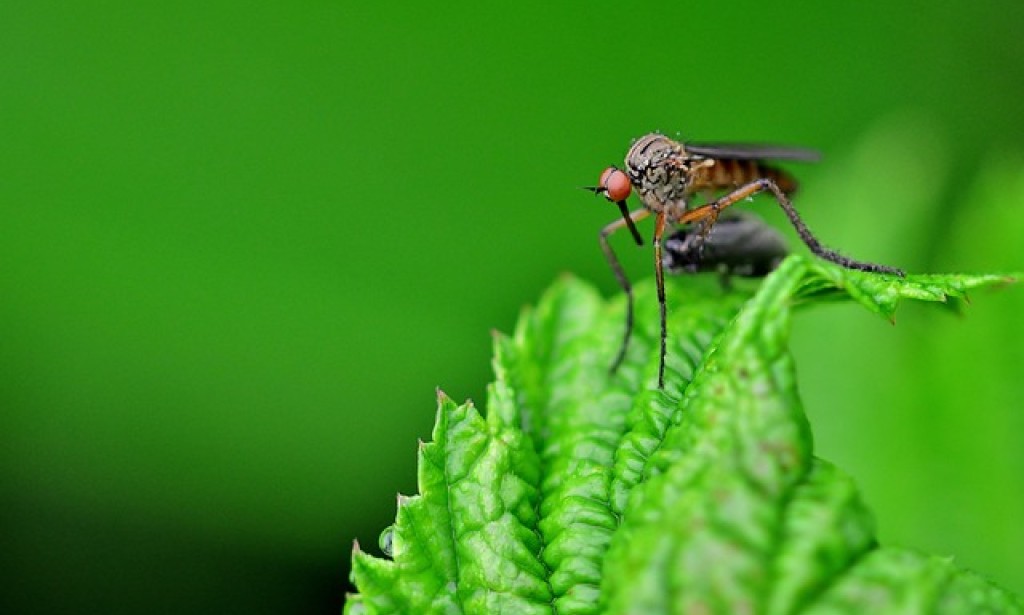
Mosquitoes are more than just annoying; they can spread diseases like malaria, dengue fever, and Zika virus. To protect ourselves, many people turn to mosquito coils for relief. These coils, which are burned to release chemicals that repel mosquitoes, are a popular choice in many parts of the world, especially in tropical areas. However, while they may seem like a quick and easy solution, using mosquito coils comes with risks. The side effects of using mosquito coils can impact both your health and the environment.
In this article, we will explore the potential dangers of using mosquito coils, focusing on their effects on your health and some safer alternatives to consider.
How Mosquito Coils Work
Before diving into the side effects, it's important to understand how mosquito coils work. Most mosquito coils are made from materials like powdered pyrethrum (a natural insecticide derived from flowers), combined with synthetic chemicals such as allethrin. When lit, these chemicals are released into the air in the form of smoke. The smoke contains insecticides that repel mosquitoes by either killing them or keeping them away.
The coils typically burn for several hours, filling the air with a continuous stream of smoke. This smoke is what provides the protection against mosquitoes. However, the very smoke that protects you can also cause harm.
Common Side Effects of Mosquito Coils
Respiratory Problems
One of the main concerns with mosquito coils is the smoke they release. This smoke can cause various respiratory issues, especially in people who are sensitive to smoke or have pre-existing conditions like asthma or bronchitis. Breathing in the smoke from mosquito coils can irritate the lungs and airways, leading to coughing, wheezing, or even triggering asthma attacks.
The fine particles in the smoke are similar to those found in cigarette smoke, and when inhaled over long periods, they can damage the respiratory system. In poorly ventilated rooms, this smoke lingers in the air, increasing the risk of inhaling harmful particles. Studies have shown that the amount of particulate matter produced by a mosquito coil is comparable to burning 75-137 cigarettes. This can cause long-term respiratory diseases if the exposure is frequent.
Allergic Reactions
The chemicals used in mosquito coils can trigger allergic reactions in some people. Skin rashes, itching, and sneezing are common symptoms that might arise from exposure. For individuals with chemical sensitivities, the fragrances or added chemicals in mosquito coils could cause even more severe reactions, such as hives or respiratory distress.
Eye Irritation
The smoke from mosquito coils can also cause eye irritation. If you've ever sat too close to a burning coil, you may have noticed your eyes becoming watery or itchy. This irritation is due to the chemicals in the smoke. In small doses, this might seem like a minor inconvenience, but over time, repeated exposure can lead to more severe discomfort.
Headaches and Dizziness
People who use mosquito coils in closed spaces often report headaches and dizziness. This happens because the smoke reduces the quality of indoor air, making it harder for the brain to get enough oxygen. Some of the chemicals used in the coils, such as allethrin and permethrin, can also directly affect the nervous system, leading to symptoms like headaches, dizziness, and nausea.
Long-Term Health Risks
The occasional use of mosquito coils may not cause significant harm, but long-term exposure poses serious health risks. Prolonged use of mosquito coils has been linked to chronic respiratory conditions, like asthma, chronic obstructive pulmonary disease (COPD), and even lung cancer. A study conducted in China found that people who frequently used mosquito coils indoors had an increased risk of lung cancer, partly due to the release of toxic compounds like formaldehyde, benzene, and other volatile organic compounds (VOCs) in the smoke.
Harmful to Children and Pets
Children and pets are especially vulnerable to the effects of mosquito coils. Since their respiratory systems are still developing, children are more sensitive to the harmful chemicals in the smoke. Pets, especially cats and dogs, can also suffer from breathing issues if exposed to the smoke for long periods. If you have young children or pets at home, it's important to be cautious when using mosquito coils indoors.
Environmental Impact
Aside from health risks, mosquito coils can also have a negative effect on the environment. The smoke from mosquito coils releases harmful chemicals into the air, contributing to air pollution. When used outdoors, the chemicals in the smoke can harm other insects and animals, including beneficial species like bees and butterflies.
Additionally, improper disposal of mosquito coil remnants can cause environmental damage. The metal or plastic holders and ash from burned coils may contain chemicals that can seep into the soil or water, contaminating the ecosystem.
Safer Alternatives to Mosquito Coils
Given the potential risks associated with mosquito coils, it is worth considering safer alternatives for mosquito control. Here are a few:
Mosquito Nets
Mosquito nets are a safe and effective way to keep mosquitoes away, especially while sleeping. Treated nets with insecticides offer additional protection and don't require burning or the release of harmful smoke.
Electric Mosquito Repellents
Electric mosquito repellents, like plug-in devices that release insecticide vapor, are another option. These devices don't produce smoke, which makes them safer for indoor use. However, it's still important to use them in well-ventilated areas and avoid overexposure.
Natural Repellents
If you're looking for a chemical-free alternative, essential oils like citronella, eucalyptus, and lavender are known to repel mosquitoes. You can use them in diffusers or apply them as a topical repellent. While natural repellents may not be as long-lasting as coils, they are much safer for your health.
Mosquito Traps
Mosquito traps, which use light and carbon dioxide to attract and capture mosquitoes, can effectively reduce the mosquito population in your home or yard. These devices work silently and without releasing harmful chemicals into the air.
Conclusion
While mosquito coils offer quick relief from mosquito bites, the potential side effects should not be ignored. Prolonged use of mosquito coils can lead to respiratory problems, allergic reactions, and other health issues, particularly in children, pets, and individuals with existing conditions. The smoke from these coils contains harmful chemicals that can affect both your health and the environment.
To reduce the risks, it's a good idea to use mosquito coils sparingly, in well-ventilated areas, or explore safer alternatives like mosquito nets, natural repellents, or electric devices. Your health and well-being are worth taking the extra steps to find a safer way to keep mosquitoes at bay.

You must be logged in to post a comment.