
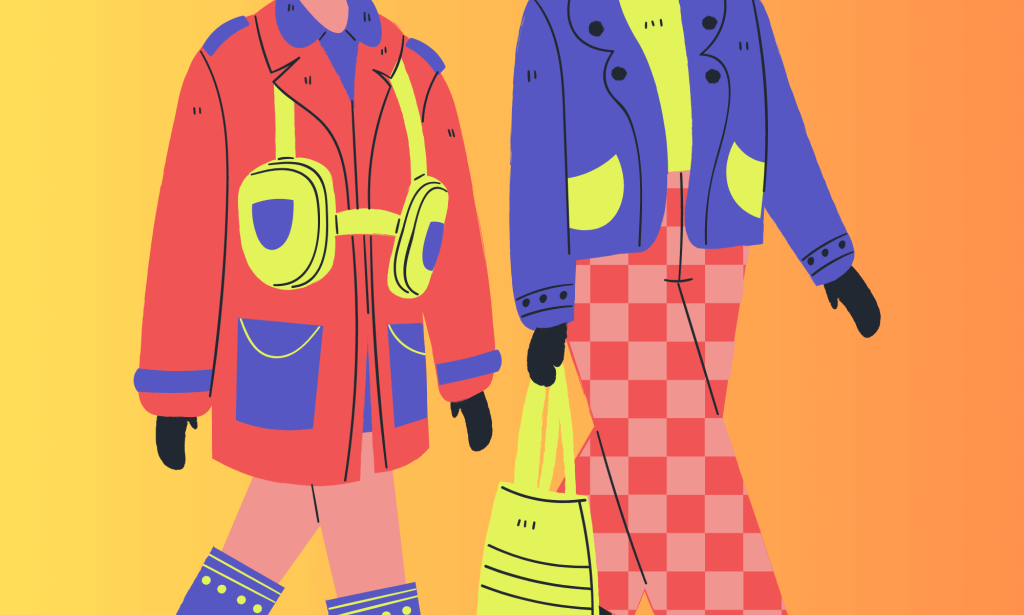
Expression, Identity, and Culture
Fashion is an integral part of human society, influencing not only how we present ourselves but also how we perceive the world and are perceived by others. It goes beyond mere clothing; fashion encompasses a wide range of elements including style, accessories, and personal grooming. The importance of fashion can be observed in various aspects of life, including self-expression, identity formation, cultural representation, and economic impact.
Self-Expression and Individuality
One of the most significant roles of fashion is its ability to serve as a medium for self-expression. Individuals use fashion to communicate their personalities, beliefs, and moods. The choice of clothing, colors, and styles can reflect who we are and how we feel. For instance, someone may choose a vibrant outfit to express joy and confidence, while another may opt for more subdued tones to convey introspection or seriousness.Fashion allows individuals to experiment with their identities and showcase their creativity. It empowers people to curate their appearances in ways that resonate with their inner selves. This personal expression is particularly crucial during formative years, such as adolescence, when individuals are exploring their identities and seeking acceptance within social groups. Fashion becomes a tool for building self-esteem and finding a sense of belonging.
Identity and Social Status
Fashion plays a vital role in shaping and expressing identity, including cultural, social, and personal dimensions. Different cultures have distinct fashion traditions that reflect their histories, values, and social norms. For example, traditional garments like the kimono in Japan, the sari in India, or the dashiki in West Africa are not only beautiful but also carry deep cultural significance.Moreover, fashion can indicate social status and economic class. Designer labels and luxury brands often symbolize wealth and exclusivity, creating a social hierarchy based on clothing choices. While this can lead to positive associations for some, it can also contribute to negative feelings such as envy or inadequacy in others. Understanding the social implications of fashion can encourage more inclusive practices and promote diversity within the industry.
Cultural Representation and Diversity
Fashion serves as a powerful medium for cultural representation and the celebration of diversity. Designers and brands have the ability to showcase cultural heritage through their collections, bringing attention to traditional crafts and local artisans. This not only preserves cultural practices but also fosters appreciation and respect for different backgrounds.In recent years, there has been a growing movement towards inclusivity and representation in fashion. The industry is increasingly recognizing the importance of diverse models, styles, and narratives that reflect the true tapestry of society. This shift not only empowers marginalized communities but also enriches the fashion landscape, making it more vibrant and relatable to a broader audience.
Economic Influence
The fashion industry is a significant driver of economic growth, contributing billions of dollars to the global economy. It encompasses a wide range of sectors, including design, manufacturing, retail, and marketing. Fashion creates millions of jobs worldwide, from textile workers to retail sales associates, and supports countless small businesses and local artisans.Moreover, fashion plays a crucial role in tourism. Fashion weeks, trade shows, and cultural festivals attract visitors from around the globe, boosting local economies and promoting cultural exchange. Cities like Paris, Milan, and New York are not only fashion capitals but also vibrant cultural hubs that draw people interested in fashion and lifestyle.
Conclusion
The importance of fashion extends far beyond the garments we wear. It serves as an essential form of self-expression, a reflection of identity, a means of cultural representation, and a significant economic force. By understanding and appreciating the multifaceted roles of fashion, individuals and societies can cultivate a deeper connection to their clothing choices and the narratives they embody. Embracing diversity and inclusivity in fashion not only enriches the industry but also fosters a more understanding and compassionate world, where everyone can express themselves authentically.

You must be logged in to post a comment.