
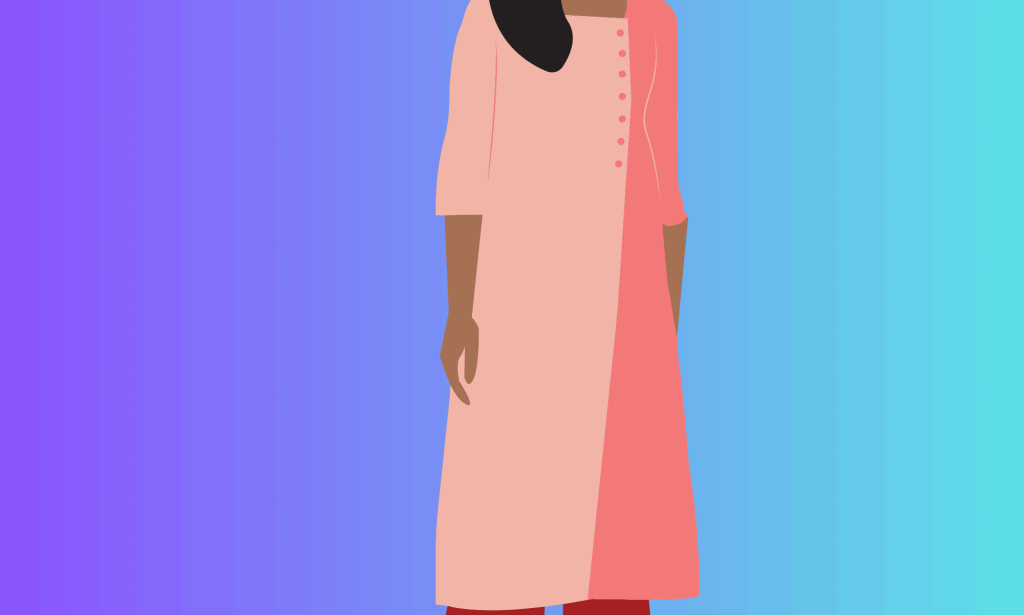
Tradition Meets Modernity
Indian fashion is a vibrant reflection of the country’s diverse culture, history, and traditions. With its intricate textiles, rich embroidery, and a plethora of styles, Indian fashion has captivated the world, blending ancient techniques with contemporary designs. This article explores the evolution of Indian fashion, its iconic garments, influential designers, and the current trends that shape this dynamic industry.
A Historical Perspective
The roots of Indian fashion can be traced back thousands of years, with clothing styles varying significantly across regions, communities, and cultures. Traditional garments such as the sari, lehenga, and kurta have been worn for centuries, each telling a unique story of its origin and significance.The sari, a quintessential Indian garment, is a long piece of cloth that is elegantly draped around the body, often paired with a blouse. Its versatility allows for a myriad of draping styles, making it a beloved attire among women in India. Similarly, the lehenga, a long skirt paired with a choli (blouse) and dupatta (scarf), is often worn during festive occasions and weddings, showcasing elaborate embroidery and vibrant colors.The kurta, a tunic worn by both men and women, has also been a staple in Indian fashion. Its simple yet elegant design allows for comfort and style, making it suitable for various occasions. The evolution of these garments reflects the cultural richness and diversity of India, where each region boasts its unique textiles and craftsmanship.
Influential Designers
In recent decades, Indian fashion has gained international recognition, thanks to a new wave of designers who have redefined traditional garments and introduced innovative styles. Designers like Sabyasachi Mukherjee, Manish Malhotra, and Anita Dongre have become household names, celebrated for their ability to blend traditional elements with modern aesthetics.Sabyasachi Mukherjee is renowned for his luxurious bridal wear, characterized by intricate embroidery and rich fabrics. His designs often draw inspiration from Indian heritage, showcasing the beauty of traditional craftsmanship while appealing to contemporary sensibilities. Manish Malhotra, known for his glamorous creations, has dressed numerous Bollywood celebrities, creating a fusion of Western and Indian styles that resonates with the modern Indian woman.Anita Dongre, on the other hand, emphasizes sustainability and ethical fashion. Her collections feature eco-friendly fabrics and traditional techniques, promoting the rich heritage of Indian textiles while ensuring responsible production practices. These designers have not only contributed to the growth of Indian fashion but have also positioned India on the global fashion map.
Contemporary Trends
The Indian fashion industry today is a melting pot of traditional and contemporary influences. Fashion weeks held in cities like Mumbai and Delhi showcase a blend of haute couture and ready-to-wear collections, attracting both local and international audiences. The rise of social media has further transformed the industry, allowing designers to connect with consumers directly and showcase their work on a global platform.Street style in India is also evolving, with urban youth embracing a mix of traditional and Western influences. Contemporary interpretations of traditional attire, such as pairing saris with crop tops or adding modern accessories to ethnic wear, have gained popularity. This fusion reflects the changing attitudes toward fashion and the desire to create unique personal styles.Moreover, the emphasis on sustainability and ethical fashion is becoming increasingly prominent. Many brands are exploring eco-friendly materials and traditional crafts, promoting the idea of mindful consumption. This shift not only honors India’s rich textile heritage but also addresses the global call for responsible fashion practices.
Conclusion
Indian fashion is a vibrant and evolving tapestry that weaves together tradition, culture, and modernity. Its rich history, iconic garments, and innovative designers have created a unique identity that captivates audiences worldwide. As the industry continues to grow and adapt, it remains a powerful expression of cultural heritage and artistic creativity, showcasing the beauty and diversity of India on the global stage. Whether through the elegance of a sari or the modern twist of a contemporary outfit, Indian fashion continues to inspire and enchant, celebrating the art of dressing in all its forms.

You must be logged in to post a comment.