
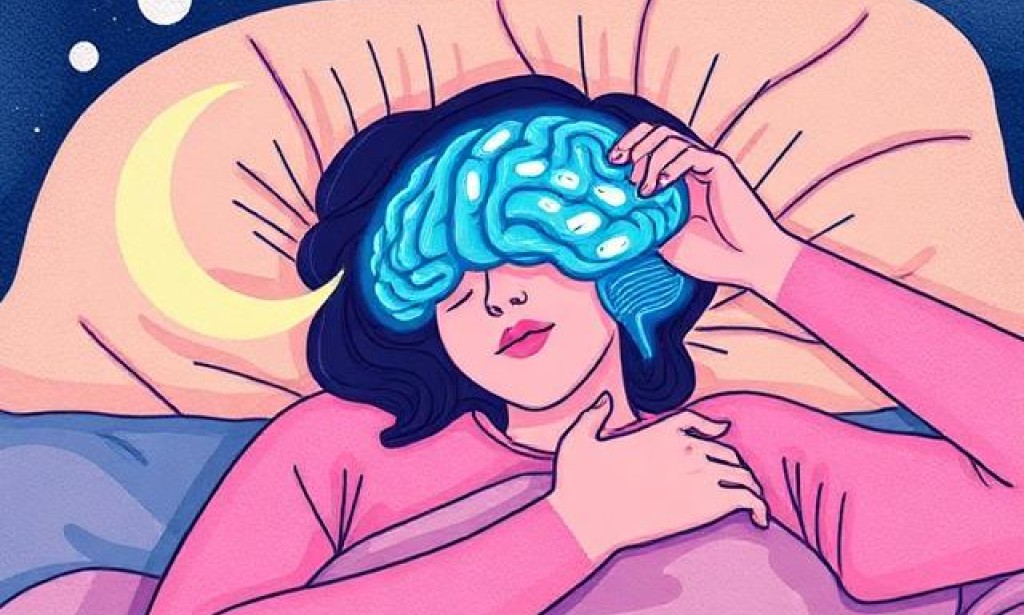
The Sleep Drug That’s Altering Teen Brains: Risks, Science, and Safer Alternatives for Healthy Sleep
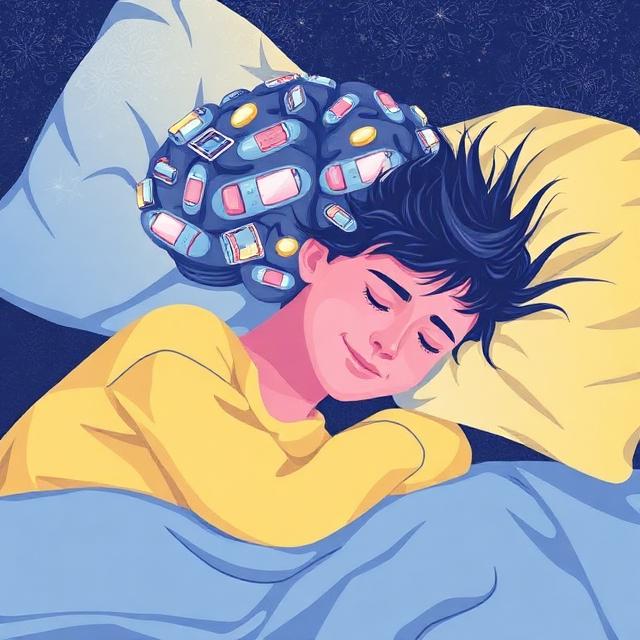
Sleep problems in teens are rising fast—and so is the use of sleep medications. From prescription pills to over-the-counter “nighttime” aids, many families are reaching for quick fixes. But neuroscience is waving a big red flag: some sleep drugs may alter developing teenage brains, with potential effects on memory, mood, and long-term mental health.
This in-depth guide breaks down the science, risks, and safer alternatives so parents, teens, and educators can make informed choices.
Why Teen Sleep Matters More Than You Think
Teen brains are under heavy construction. During adolescence, neural networks are being refined, emotional regulation is maturing, and memory systems are consolidating. Sleep is the maintenance crew that makes all of this work.
The Adolescent Brain Is Still Developing
The teenage brain doesn’t finish maturing until the mid-20s. Two systems are especially sensitive to sleep disruption and medications:
Prefrontal cortex
Decision-making
Impulse control
Emotional regulation
Limbic system
Reward processing
Stress response
Motivation
Sleep supports synaptic pruning (the brain’s “cleanup process”) and myelination (the “insulation” of neural pathways). Interrupt these processes, and development can go off-track.
Teens Are Biologically Wired to Sleep Later
Adolescents experience a natural shift in circadian rhythm, meaning they feel sleepy later at night and struggle to wake early. This creates a mismatch with early school start times.
Common teen sleep challenges:
Late-night screen use
Academic pressure
Social media and gaming
Early school schedules
Caffeine consumption
What Is the Sleep Drug People Are Talking About?
One of the most widely used sleep aids among teens—often perceived as “harmless”—is .
It’s sold over the counter in many countries and marketed as a natural sleep solution. That accessibility has led to widespread use in children and adolescents—sometimes nightly, for months or years.
Why Melatonin Is So Popular With Teens and Parents
Melatonin use has skyrocketed for a few reasons:
Easy to buy without a prescription
Labeled as “natural”
Promoted on social media
Recommended casually by peers
Sometimes suggested by adults as a short-term fix
But “natural” doesn’t mean harmless—especially for a developing brain.
How Melatonin Works in the Brain
Melatonin is a hormone produced by the pineal gland. It signals to the body that it’s time to sleep by responding to darkness.
The Role of the Pineal Gland
The pineal gland helps regulate circadian rhythm by releasing melatonin when light levels drop.
Melatonin’s main functions:
Triggers sleepiness
Helps regulate sleep–wake cycles
Coordinates circadian rhythm
When teens take melatonin supplements, they introduce an external hormone into a system that’s still calibrating itself.
Synthetic vs. Natural Melatonin
Supplement melatonin is synthetic and often inconsistent in dosage. Studies have found that some products contain far more—or far less—melatonin than their labels claim.
This creates risks such as:
Overdosing
Hormonal disruption
Daytime grogginess
Tolerance and dependency
What the Science Says About Melatonin and Teen Brain Development
Researchers are increasingly concerned about how frequent melatonin use may affect adolescents.
Potential Effects on Brain Development
Ongoing melatonin use during adolescence may influence:
Neural plasticity
Hormonal signaling
Emotional regulation
Memory formation
Animal studies suggest melatonin can affect puberty-related hormones. While human data is still emerging, caution is warranted.
Mental Health and Mood Changes
Some teens report:
Increased anxiety
Low mood
Irritability
Emotional numbness
These symptoms may not occur in everyone, but they’re significant enough to pay attention to—especially in teens already struggling with stress or depression.
Other Sleep Drugs Teens Are Using
Melatonin isn’t the only substance altering teen sleep patterns. Some teens also use prescription or OTC medications.
Antihistamines as Sleep Aids
Products containing are often used for sleep because they cause drowsiness.
Risks include:
Next-day brain fog
Memory impairment
Increased accident risk
Anticholinergic effects on cognition
Prescription Sleep Medications
In some cases, teens are prescribed sleep medications like .
Concerns:
Dependency
Altered sleep architecture
Parasomnias (sleep-walking, sleep-eating)
Long-term cognitive effects
How Sleep Drugs Can Alter Sleep Architecture
Not all sleep is equal. Healthy sleep cycles through stages:
Light sleep
Deep sleep
REM sleep
Some sleep drugs change how much time the brain spends in each stage.
Why REM and Deep Sleep Matter for Teens
REM sleep
Emotional processing
Memory consolidation
Creativity
Deep sleep
Physical growth
Brain repair
Immune function
When sleep drugs alter these stages, teens may “sleep” but still wake up mentally exhausted.
Warning Signs Your Teen’s Sleep Aid Is Causing Harm
Parents and caregivers should watch for subtle red flags.
Behavioral and Cognitive Changes
Increased irritability
Trouble concentrating
Memory lapses
Emotional blunting
Physical Symptoms
Headaches
Nausea
Daytime drowsiness
Nightmares
Dependency Patterns
Needing higher doses
Panic about sleeping without pills
Using sleep aids nightly
Hiding or hoarding supplements
Why Teens Turn to Sleep Drugs in the First Place
Understanding the “why” helps fix the root problem.
Pressure, Stress, and Performance Anxiety
Teens today face:
Academic competition
Social comparison online
College admissions pressure
Fear of falling behind
Sleep becomes a casualty of achievement culture.
Tech, Blue Light, and Dopamine Loops
Late-night scrolling and gaming delay melatonin release naturally.
Effects of screens before bed:
Suppressed natural melatonin
Heightened alertness
Emotional stimulation
Reduced sleep quality
Safer, Evidence-Based Alternatives to Sleep Drugs for Teens
Good news: teens can improve sleep without altering brain chemistry.
Sleep Hygiene That Actually Works
Build a teen-friendly sleep routine:
Fixed bedtime and wake time
No screens 60 minutes before bed
Dim lights after sunset
Cool, dark bedroom
Calm wind-down ritual (reading, shower, stretching)
Cognitive Behavioral Therapy for Insomnia
CBT-I is a gold-standard, non-drug treatment for sleep problems.
CBT-I helps teens:
Break anxiety-sleep cycles
Rebuild sleep confidence
Improve sleep efficiency
Reduce nighttime rumination
Daytime Habits That Improve Nighttime Sleep
Morning sunlight exposure
Regular physical activity
Caffeine cut-off by early afternoon
Balanced meals
Short, early naps only
When Medication Might Be Appropriate
There are limited situations where short-term use under medical guidance may be helpful.
Situations That May Warrant Temporary Use
Jet lag
Shifted sleep schedules
Certain neurodevelopmental conditions
Acute stress episodes
Key rule:
Medication should be short-term, low-dose, and supervised by a qualified clinician.
What Parents Should Ask Before Giving Any Sleep Aid
Before giving your teen any sleep medication or supplement, ask:
What is the root cause of the sleep problem?
Is this a short-term fix or becoming a habit?
Has a non-drug approach been tried consistently?
What are the long-term risks?
Is a sleep specialist involved?
What Teens Need to Know (Straight Talk)
Teens deserve honest information—not scare tactics.
Real Talk for Teens
Sleep drugs can change how your brain learns and feels
“Natural” doesn’t mean harmless
Relying on pills can weaken your natural sleep system
Your brain needs deep, drug-free sleep to grow stronger
Better goal:
Train your brain to sleep—don’t replace it with chemicals.
What the Research Community Is Calling For
Scientists and pediatric sleep specialists are pushing for:
Better labeling of supplements
Clear dosage standards
More long-term studies in adolescents
Stronger guidance for parents
Later school start times
These changes aim to protect developing brains—not shame families seeking rest.
Long-Term Risks of Normalizing Sleep Drug Use in Teens
If sleep drugs become the default solution, teens may carry that habit into adulthood.
Potential long-term consequences:
Reduced resilience to stress
Dependence on substances for rest
Weakened natural circadian rhythm
Increased mental health vulnerability
A Smarter Way Forward for Teen Sleep
The teen brain is powerful, plastic, and still under construction. Sleep drugs—especially casual, long-term use—can interfere with that process in subtle but meaningful ways.
The Healthier Path
Address the root causes of poor sleep
Use behavioral tools first
Treat sleep as a skill to learn
Involve professionals when needed
Reserve medication for short-term, supervised use
Key Takeaways
Teen brains are still developing and highly sensitive to sleep disruption
Melatonin and other sleep aids can alter sleep architecture and brain chemistry
Long-term, unsupervised use carries real risks
Behavioral strategies and CBT-I are safer, effective first-line solutions
Healthy sleep habits protect mood, memory, and mental health
Final Word
Sleep isn’t just rest—it’s brain development in action. Before reaching for a pill, help teens build sleep skills that last a lifetime. The goal isn’t to knock the brain out—it’s to let it grow, heal, and thrive naturally.

You must be logged in to post a comment.