
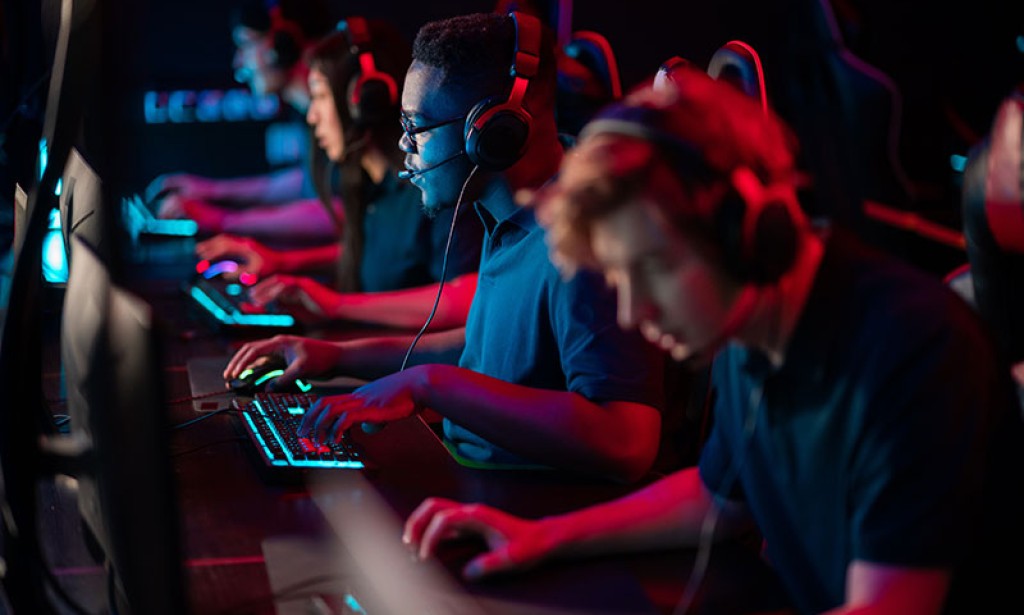
"Unplugged Realities: Exploring the Dark Side of Esports"
Introduction:
Once a niche subculture, Esports has evolved into a global phenomenon, captivating millions of fans and players alike. However, beneath the glitz and glamour, a darker side lurks, encompassing issues ranging from exploitation to mental health challenges. This exploration dives into the shadows of esports, shedding light on the complexities and concerns that have arisen as the industry has grown.
1. Exploitation of Young Talent:
-
Youthful Entrants and Vulnerabilities:
- Esports often attract young talent, drawn by dreams of fame and fortune.
- Some organizations exploit the eagerness of young players, subjecting them to unfavorable contracts and working conditions.
-
Lack of Regulation:
- The absence of standardized regulations allows for exploitative practices within the esports ecosystem.
- Players, particularly minors, maybe in precarious situations without adequate legal protections.
2. High Stakes and Mental Health Challenges:
-
Pressure Cooker Environment:
- The high-stakes nature of esports, with significant prize pools and fan expectations, creates an intense environment.
- Players may grapple with stress, anxiety, and burnout as they strive for success.
-
Isolation and Loneliness:
- Long hours of practice and competition can lead to social isolation and loneliness among esports professionals.
- The lack of a support system exacerbates mental health challenges.
3. Gambling and Match-Fixing:
-
Rise of Gambling Culture:
- Esports' popularity has given rise to a gambling culture, with betting on matches becoming commonplace.
- Match-fixing scandals have emerged, compromising the integrity of competitions.
-
Impact on Competitive Integrity:
- Match-fixing not only undermines the credibility of esports but also has legal ramifications.
- Players involved may face severe consequences, tarnishing their careers.
4. Toxicity and Harassment:
-
Online Harassment:
- Esports, like many online communities, face issues of toxicity and harassment.
- Players, especially women and minorities, may experience cyberbullying and discrimination.
-
Inadequate Player Protection:
- Some esports organizations struggle to address and prevent harassment effectively.
- The lack of robust policies and enforcement mechanisms leaves players vulnerable.
5. Lack of Diversity and Inclusivity:
-
Gender Disparities:
- Women in esports often face gender-based discrimination and stereotypes.
- The industry's male-dominated culture contributes to the underrepresentation of women at various levels.
-
Racial and Ethnic Disparities:
- Diversity remains a challenge, with players and professionals from certain racial and ethnic backgrounds facing barriers.
- Inclusive initiatives are needed to break down systemic biases.
6. Exploitative Contracts and Unstable Earnings:
-
Opaque Contract Terms:
- Players, particularly those new to the industry, may sign contracts with unfavorable terms.
- Lack of transparency in contracts can lead to financial exploitation.
-
Unpredictable Earnings:
- Esports earnings can be volatile, relying heavily on tournament success and sponsorships.
- Financial instability may create stress and uncertainty for players.
7. Substance Abuse Issues:
-
Performance-Enhancing Substances:
- The competitive nature of esports has led to instances of players using performance-enhancing substances.
- The lack of standardized drug testing protocols raises concerns about fair play.
-
Self-Medication and Coping Mechanisms:
- Some players may turn to substances as a means of coping with stress and performance expectations.
- The industry needs to address underlying issues contributing to substance abuse.
8. Lack of Player Unions and Advocacy:
-
Need for Collective Bargaining:
- Esports lacks the equivalent of traditional sports player unions, leaving players without collective bargaining power.
- The absence of representation hinders the ability to negotiate fair terms and conditions.
-
Advocacy for Player Rights:
- Initiatives promoting player rights and well-being are crucial for addressing the dark side of esports.
- Collaborative efforts from players, organizations, and industry stakeholders can bring positive change.
Conclusion:
While esports continues to thrive as a dynamic and exciting industry, acknowledging and addressing its dark side is imperative for sustainable growth. From exploitation to mental health challenges, the esports community must collectively work toward establishing ethical standards, supportive environments, and inclusive practices. As the industry navigates its complexities, a commitment to the well-being of players and the integrity of the sport will be paramount in ensuring a more balanced and responsible future for esports.

You must be logged in to post a comment.