
Greetings my dear friends and subscribers ✌

https://ya.cc/t/_MMSzrrF33tkUh
We know from anthropology that the oldest humans are considered to be Homo habilis, or "handy man" (whose remains date back to 2.8 million years ago). But how do we determine the skill set possessed by man of those times? After all, not only were not able to write, but even to speak then, so no evidence has survived. And skills are determined by objects that are found in the place of excavation. For example, lying next to the remains of a stone axe (which the modern methods of chemical analysis dated to the same period as the remains themselves) - then this axe is found and was made by a man. And with fire the matter is a little bit more complicated.
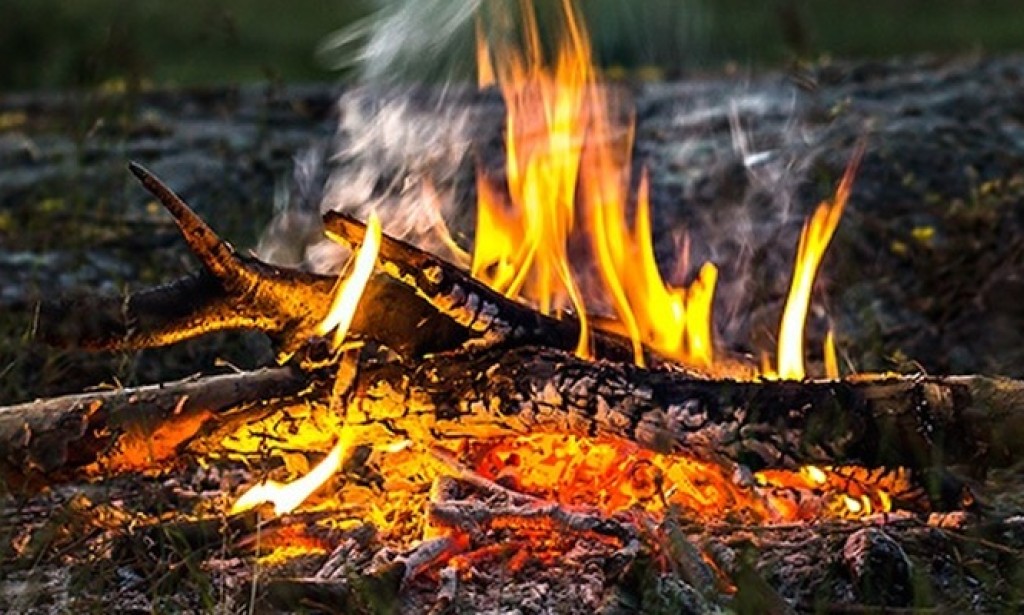
After all, if an axe cannot appear in nature by itself, then fire can appear both as a result of lightning and in the process of decomposition of organic matter. If archaeologists find burnt clay or traces of fire, is it possible to say unequivocally: was it an artificial fire or not? Even if the area around the traces of fire is lined with stones and looks as if they were laid by hand, there is always the possibility that streams of water (in heavy rain) brought the stones to the tree, and then lightning struck the tree. The tree is burned, no human involvement, but the site looks like an artificial fire pit. With every such find there is a lot of controversy and criticism!
Moreover, traces of fire do not say anything about the skill to make it. In fact, the spontaneous source of fire could well have been brought into the cave and maintained there for a long time. Therefore all finds older than 1 million years cannot unequivocally testify that humans of that time could use fire, let alone produce it.
More or less convincing traces of the use of fire appear 350-400 thousand years ago, when obviously burnt tools and multi-layer ashes were found. And after 350,000 years, fire was already in full use - a large number of well-preserved hearths have been found. People quickly realized the advantages of hot food, which was tastier (although this was hardly of any concern to our gourmet ancestors) and, most importantly, much better digested and much more nutritious than raw food.
It was the new diet based on cooked food that, over several hundred thousand years, transformed our bodies into the modern species with relatively broad shoulders and narrow pelvis. Before that there was a need for a more voluminous digestive tract and the chest was narrow at the top, widening and transitioning to a large pelvis at the bottom.
The question of how the fire was extracted is still open. The widespread use at the sites of ancient people indicates that fire was not only maintained but also extracted, but how exactly is unknown. At least Homo sapiens (the representatives of which modern mankind is) already 50 thousand years ago could not do without fire - any, even a small camp, contains traces of ashes or fireplaces.
Thank you all for your attention to my publications, I hope you liked it, come again.
Sincerely Eduard!

You must be logged in to post a comment.