
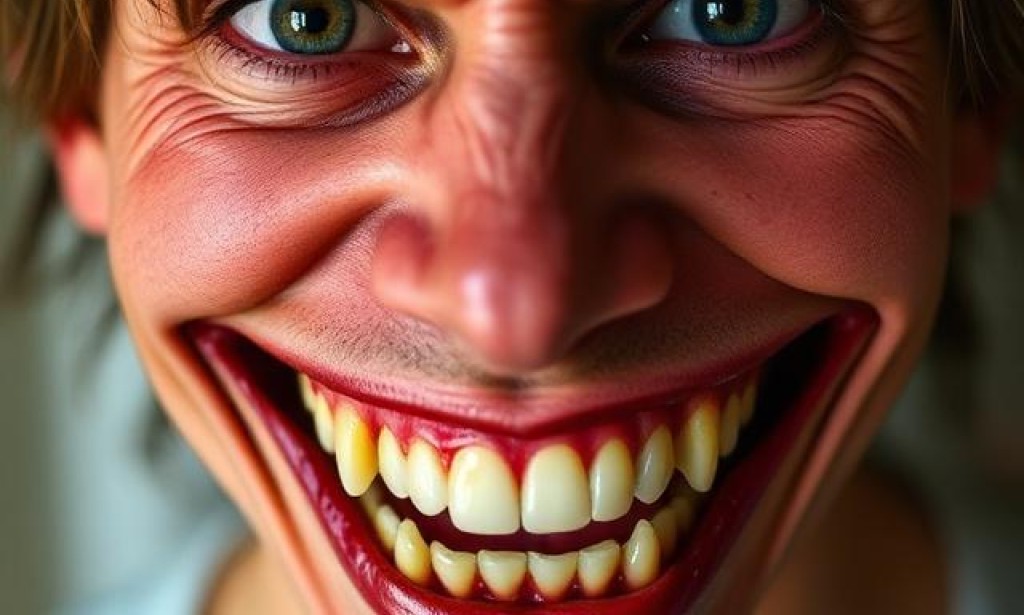
Why the Human Smile Can Be Terrifying: The Science Behind Creepy Faces
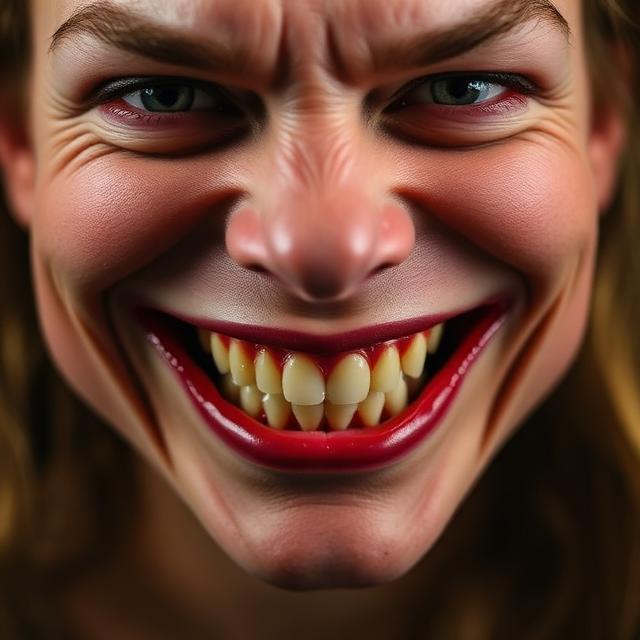
The human smile is supposed to signal warmth, trust, and friendliness. It’s the universal shortcut for “I mean no harm.” Yet sometimes, a smile can feel deeply unsettling. Think of the frozen grin on , the uncanny politeness of , or the eerie calm of . These faces haunt us precisely because they twist something familiar into something wrong.
So why does a smile—our most comforting expression—sometimes trigger fear instead of safety? The answer lives at the crossroads of neuroscience, psychology, evolution, and culture. Let’s unpack the science behind creepy smiles and why your brain sometimes screams “danger” when your eyes see a grin.
The Psychology of Smiles and Emotional Perception
Smiles are among the first expressions humans learn to recognize. Babies track smiles before they can speak, and adults rely on them to read social intent in milliseconds. But not all smiles are created equal.
How the Brain Reads Facial Expressions
Your brain decodes faces with lightning speed. Specialized regions like the fusiform face area help identify faces, while emotional cues are processed by networks that include the amygdala. These systems evolved to answer one urgent question: Is this person safe or threatening?
When a smile aligns with other facial signals—soft eyes, relaxed posture, natural timing—your brain labels it as friendly. When it doesn’t, alarm bells ring.
The Difference Between Real and Fake Smiles
Psychologists often distinguish between genuine and social smiles. A genuine smile engages muscles around the eyes, creating subtle wrinkles known as “crow’s feet.” Fake or forced smiles tend to involve only the mouth.
Your brain is surprisingly good at spotting the difference. When the eyes don’t “smile” along with the mouth, the expression feels off. That mismatch triggers suspicion because it suggests hidden motives.
Micro-Expressions and Emotional Leakage
People leak tiny, involuntary expressions called micro-expressions—fleeting flashes of true emotion that contradict what someone is trying to show. A smile paired with a flash of contempt, fear, or anger feels creepy because your brain detects the inconsistency, even if you can’t consciously explain why.
The Uncanny Valley Effect and Creepy Smiles
There’s a specific phenomenon that explains why almost-human faces disturb us more than clearly non-human ones.
What Is the Uncanny Valley?
The uncanny valley is the dip in comfort we feel when something looks almost human but not quite. Hyper-realistic robots, CGI characters, or lifelike dolls can trigger unease because they hover in a strange in-between zone.
When a smile sits in that uncanny valley—too stiff, too symmetrical, too slow—it feels wrong. Your brain expects the fluidity of a living human face. When it doesn’t get it, discomfort spikes.
Why Almost-Human Faces Trigger Discomfort
From an evolutionary perspective, detecting “almost human” faces may have helped early humans avoid disease or danger. Anything that looked human but moved strangely could signal illness, death, or threat. A smile that doesn’t move naturally taps into this ancient warning system.
How AI Faces and Robots Make Smiles Scarier
Modern technology is making this effect more obvious. Digital avatars and humanoid robots can smile, but their timing and muscle coordination are often slightly off. That tiny error is enough to flip a friendly gesture into something eerie.
Evolutionary Reasons Smiles Can Feel Threatening
A smile bares teeth. And in the animal kingdom, showing teeth is often a threat.
Teeth as a Primal Threat Signal
For many species, exposed teeth mean aggression. Our brains still carry this ancient wiring. When a smile shows too much teeth, too rigidly, or too suddenly, it can trigger a primal fear response—even if we intellectually know it’s “just a smile.”
Mismatched Emotions as a Survival Warning
Evolution trained us to distrust emotional mismatches. If someone smiles while their eyes show fear or anger, that inconsistency suggests deception. In ancestral environments, misreading intent could be fatal. Your discomfort is your brain saying, “This doesn’t add up—be careful.”
When Friendliness Feels Like Predation
Predators often appear calm right before striking. A calm, unwavering smile in the wrong context can subconsciously resemble predatory stillness. That’s why overly intense friendliness from strangers can feel threatening rather than comforting.
Cultural and Social Influences on Creepy Smiles
Smiles don’t mean the same thing everywhere. Culture shapes how we interpret them.
Why Some Smiles Feel “Wrong” in Certain Cultures
In some cultures, constant smiling is seen as insincere or even suspicious. In others, smiling at strangers is normal politeness. When expectations clash, a smile can feel awkward or creepy simply because it violates social norms.
The Role of Context in Interpreting Smiles
A smile at a party feels fine. The same smile in a dark alley at night? Not so much. Context primes your brain to expect certain behaviors. When someone smiles in a setting where seriousness or neutrality is expected, your brain flags it as incongruent.
Politeness vs. Authenticity
Social smiles are often performed out of politeness. When politeness becomes exaggerated—too wide, too long, too intense—it can feel performative. Humans are wired to value authenticity, so overly polished expressions can set off discomfort.
The Neuroscience of Fearful Reactions to Faces
Your fear response to creepy smiles isn’t just “in your head.” It’s in your nervous system.
How the Amygdala Processes Threat
The amygdala acts like a smoke alarm for danger. It reacts to facial expressions that signal threat or unpredictability. A smile paired with subtle cues of hostility activates this system, even before your conscious mind catches up.
Why Ambiguity Triggers Anxiety
The brain hates uncertainty. Ambiguous faces—smiling mouths with cold eyes—create mixed signals. That ambiguity keeps your nervous system on edge because it can’t clearly classify the person as safe or unsafe.
Fast vs. Slow Thinking in Face Perception
Your brain uses fast, automatic judgments for faces. You don’t choose to feel creeped out; it happens instantly. Only afterward does your rational mind try to explain it away. The fear comes first. The logic comes later.
Why Creepy Smiles Dominate Horror and Pop Culture
Storytellers know that twisted smiles hit a nerve.
The Villain Smile Trope in Movies and TV
From slasher films to psychological thrillers, villains often smile at the worst possible moment. That contrast—violence paired with warmth—creates cognitive dissonance. Your brain can’t reconcile kindness with cruelty, so the smile becomes terrifying.
Why Clowns and Dolls Feel Unsettling
Clowns and dolls exaggerate smiles beyond human norms. Fixed grins, unblinking eyes, and unnatural proportions push faces into the uncanny valley. Your brain reads them as human-like but emotionally empty.
How Media Trains Our Fear Response
Repeated exposure to creepy smiling villains conditions us to associate certain facial cues with danger. Over time, even real-life smiles that resemble these patterns can trigger unease because your brain has learned that “this look equals threat.”
Psychological Traits That Make Some Smiles More Disturbing
Not everyone reacts the same way to creepy faces.
Social Anxiety and Hypervigilance
People with social anxiety tend to scan faces for negative cues. They’re more likely to notice mismatches between smiles and eyes, making them more sensitive to “creepy” expressions.
Trauma and Threat Sensitivity
Past experiences shape perception. If someone has encountered harm paired with friendliness, their brain may associate smiles with danger. That conditioning makes ambiguous smiles feel especially threatening.
Individual Differences in Face Perception
Some people are naturally better at reading facial micro-cues. High sensitivity can be a gift—but it can also make social interactions feel more intense and, sometimes, more unsettling.
Can You Train Yourself Not to Fear Creepy Smiles?
You can’t fully rewire your instincts, but you can understand and soften them.
Understanding Your Brain’s Biases
Knowing that your discomfort is a protective reflex—not a moral judgment—can help you respond with curiosity instead of fear. Your brain is trying to keep you safe, even when the threat is imaginary.
Separating Intuition from Overgeneralization
Intuition is useful, but it can also overgeneralize. Not every awkward smile is dangerous. Learning to pause and look for consistent patterns of behavior (not just one expression) leads to better judgments.
Practical Tips for Staying Grounded
Check context: Is the environment actually unsafe, or just unfamiliar?
Observe consistency: Do the person’s words, tone, and actions match their smile?
Regulate your body: Slow breathing calms the nervous system and reduces threat responses.
Why We’re Fascinated by Creepy Smiles
Fear isn’t the only emotion at play. There’s curiosity too.
The Allure of the Familiar Made Strange
A twisted smile takes something comforting and warps it. That contrast is psychologically gripping. It pulls your attention because your brain wants to resolve the mismatch.
Safe Fear and Emotional Thrills
Horror lets us experience fear in controlled settings. Creepy smiles offer a safe brush with danger—no real threat, just a jolt of adrenaline.
What Creepy Smiles Reveal About Human Nature
Our reaction to unsettling faces exposes how deeply we rely on facial cues for trust. When those cues fail, we glimpse how fragile our sense of safety really is.
The Science-Backed Reasons Smiles Can Be Terrifying
Let’s pull it all together.
Key Factors That Make a Smile Creepy
Emotional mismatch between mouth and eyes
Unnatural timing or symmetry
Contextual wrongness (smiling when seriousness is expected)
Uncanny valley effects
Primal associations with bared teeth
Why Your Reaction Is Normal
Feeling uneasy around certain smiles isn’t a flaw. It’s your brain’s ancient threat-detection system doing its job—sometimes too enthusiastically in modern life.
How Awareness Changes Your Experience
When you understand why a smile feels creepy, you gain a bit of control over the reaction. The fear doesn’t vanish, but it becomes less mysterious—and less powerful.
Final Thoughts: When a Smile Isn’t Just a Smile
A smile is one of humanity’s most powerful social tools. But when it’s out of sync with emotion, context, or natural movement, it flips from comforting to chilling. That flip reveals something profound about the human mind: we are exquisitely tuned to authenticity. We crave emotional truth in faces, and when we don’t find it, our brains whisper warnings.
So the next time a smile gives you goosebumps, don’t brush it off as silly. Your reaction is rooted in biology, shaped by culture, and sharpened by experience. In other words, it’s your brain doing what it’s always done—trying to keep you safe in a world where even friendly faces can sometimes hide something unsettling.

You must be logged in to post a comment.