
"World War II Unveiled: A Comprehensive Journey Through the Entire History of a Global Conflict"
Introduction:
World War II, a monumental conflict that spanned from 1939 to 1945, reshaped the course of history and left an indelible mark on the 20th century. Born out of unresolved issues from World War I, compounded by economic instability and ideological clashes, it evolved into a global struggle involving nations from every corner of the globe. This narrative aims to provide a detailed exploration of the entire history of World War II, from its roots in the interwar period to its far-reaching consequences that continue to shape the modern world.
1. The Seeds of Conflict (1919-1939):
-
Treaty of Versailles:
- The harsh terms of the Treaty of Versailles fueled resentment in Germany, sowing the seeds for future conflicts.
- Economic hardships and political instability plagued the interwar period.
-
Rise of Totalitarianism:
- The ascent of totalitarian regimes in Germany, Italy, and Japan saw Adolf Hitler, Benito Mussolini, and Emperor Hirohito gain power.
- Expansionist ambitions and aggressive ideologies set the stage for global tension.
2. The Road to War (1939-1941):
-
Invasion of Poland (1939):
- Germany's invasion of Poland in September 1939 triggered the start of World War II.
- The swift conquest showcased the effectiveness of Blitzkrieg tactics.
-
Phony War and Fall of France (1939-1940):
- The initial months saw limited military actions on the Western Front, known as the "Phony War."
- Germany's surprise attack on France in 1940 led to the fall of France, altering the balance of power.
-
Battle of Britain (1940-1941):
- The Battle of Britain marked a pivotal air campaign, with the Royal Air Force resisting German attacks.
- British resilience prevented a German invasion and shifted momentum.
-
Axis Expansion in Europe and Asia (1940-1941):
- Italy's invasion of Greece, Germany's invasion of the Soviet Union, and Japan's expansion in Asia expanded the war's theaters.
3. The Global Conflict (1941-1942):
-
Operation Barbarossa (1941):
- Germany's invasion of the Soviet Union, Operation Barbarossa, became a turning point, leading to a brutal Eastern Front.
-
Pearl Harbor and U.S. Entry (1941):
- Japan's surprise attack on Pearl Harbor in December 1941 prompted the United States to enter the war.
- The Pacific Theater became a focal point of the conflict.
-
North Africa and Stalingrad (1941-1942):
- Battles in North Africa, including the Siege of Tobruk, and the Battle of Stalingrad on the Eastern Front shaped the course of the war.
4. Turning Points (1942-1943):
-
Battle of Midway (1942):
- The Battle of Midway marked a decisive naval victory for the Allies in the Pacific, shifting the balance in the Pacific Theater.
-
Stalingrad and North Africa Campaign (1942-1943):
- The Soviet victory at the Battle of Stalingrad and the Allied success in North Africa were key turning points on the Eastern and Western Fronts.
-
Allied Invasion of Italy (1943):
- The Allied invasion of Italy initiated the liberation of Southern Europe, leading to Italy's surrender in 1943.
5. The Tide Turns (1943-1944):
-
D-Day and Liberation of Western Europe (1944):
- The Allied invasion of Normandy on D-Day marked a monumental turning point, leading to the liberation of Western Europe.
- The Battle of Normandy and subsequent campaigns pushed back German forces.
-
Eastern Front and Pacific Island-Hopping (1943-1944):
- Soviet offensives on the Eastern Front and Allied island-hopping campaigns in the Pacific intensified pressure on Axis powers.
6. The Final Push (1944-1945):
-
Battle of the Bulge (1944):
- Germany's last major offensive, the Battle of the Bulge, was repelled by the Allies, hastening the end of the war in Europe.
-
Soviet Advance and Berlin's Fall (1945):
- The Red Army's advance into Germany culminated in the Battle of Berlin, leading to the capture of the German capital.
- Adolf Hitler's suicide marked the symbolic end of Nazi Germany.
-
Pacific Battles and Atomic Bombs (1945):
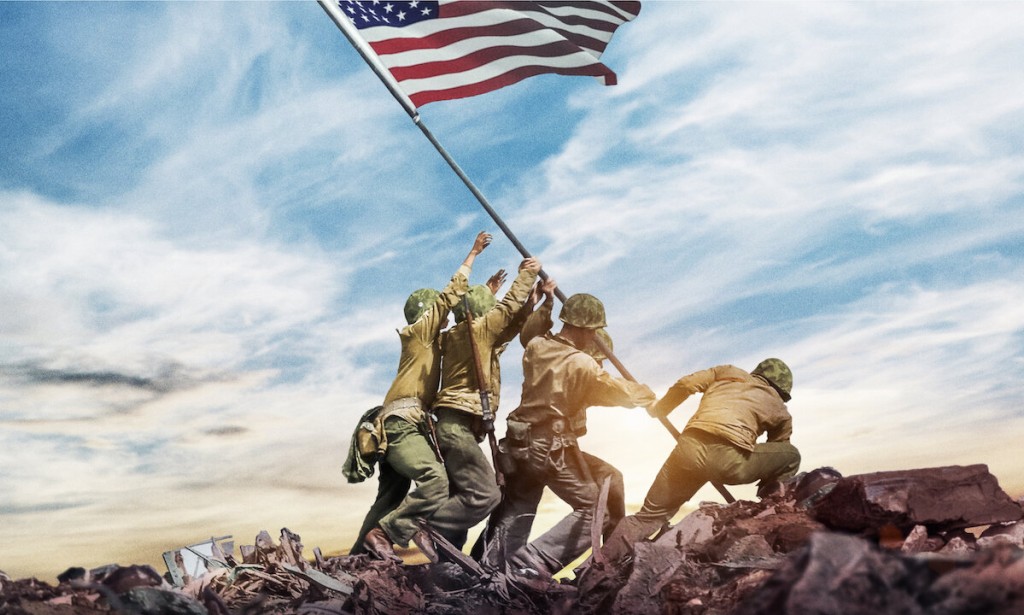
- Fierce battles in the Pacific, including Iwo Jima and Okinawa, preceded the use of atomic bombs on Hiroshima and Nagasaki.
- Japan's subsequent surrender in September 1945 ended World War II.
7. Consequences and Legacy:
-
Holocaust and Nuremberg Trials:
- The Holocaust, the systematic genocide perpetrated by the Nazis, exposed the depths of human cruelty.
- The Nuremberg Trials held Nazi leaders accountable for war crimes.
-
United Nations and Cold War:
- The United Nations was established to foster international cooperation and prevent future conflicts.
- The ideological divide between the United States and the Soviet Union set the stage for the Cold War.
-
Reconstruction and Economic Shifts:
- Post-war reconstruction efforts, including the Marshall Plan, aimed to rebuild war-torn nations.
- Economic shifts, technological advancements, and geopolitical realignments characterized the post-war era.
Conclusion: World War II, with its global scale and profound impact, remains one of the most significant events in human history. From the seeds of discontent sown in the aftermath of World War I to the pivotal battles and turning points, the conflict shaped the destiny of nations and individuals. Its legacy, marked by the pursuit of peace, the establishment of international institutions, and the scars left by atrocities, serves as a constant reminder of humanity's capacity for both destruction and resilience. The echoes of World War II continue to reverberate through the collective memory of nations, shaping the present and influencing the future.

You must be logged in to post a comment.