
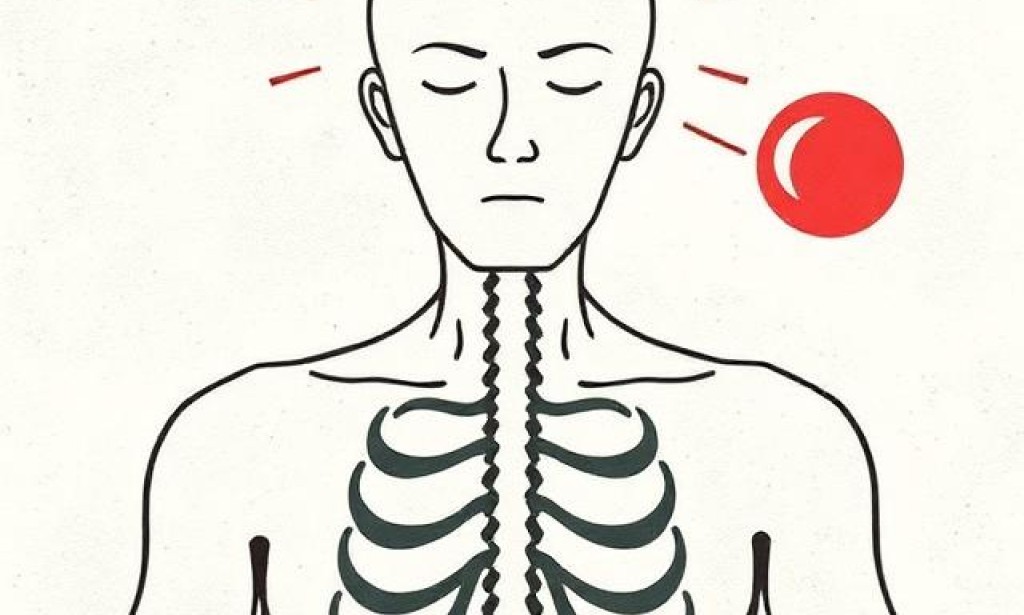
Your Body Is Begging for Help: 9 Silent Signs You’re Ignoring That Could Destroy Your Health
Introduction
Your body is constantly communicating with you—but most of us are too busy to listen.
We ignore fatigue, brush off headaches, and normalize discomfort. Over time, these “small” issues can grow into serious health conditions that could have been prevented.
The truth is, your body rarely fails without warning. It whispers before it screams.
In this article, you’ll discover 9 silent signs your body is begging for help, what they mean, and how to respond before they turn into something dangerous.
Why Ignoring Small Symptoms Is Dangerous
Many life-threatening diseases don’t appear overnight. They develop slowly, often showing subtle symptoms early on.
Common Reasons People Ignore Symptoms
“It’s probably nothing.”
Busy lifestyle or work pressure
Fear of diagnosis
Lack of awareness
Self-medication habits
The Risk of Waiting Too Long
Ignoring early warning signs can lead to:
Chronic illnesses
Organ damage
Mental health decline
Increased medical costs
Reduced life expectancy
Listening to your body early can literally save your life.
1. Constant Fatigue (Even After Rest)
What It Feels Like
You wake up tired. You feel drained throughout the day—even after a full night’s sleep.
What It Could Mean
Nutrient deficiencies (iron, vitamin D, B12)
Thyroid disorders
Chronic stress or burnout
Early signs of heart disease
When to Worry
If fatigue lasts more than 2–3 weeks, it’s not normal.
What You Should Do
Get blood tests done
Improve sleep hygiene
Reduce caffeine and screen time
Eat nutrient-rich foods
2. Frequent Headaches
What It Feels Like
Recurring headaches or migraines that seem “normal” to you.
What It Could Mean
Dehydration
High blood pressure
Eye strain
Brain or nerve-related issues
Warning Signs
Headaches with blurred vision
Sudden severe pain
Headaches with nausea or vomiting
Action Steps
Stay hydrated
Limit screen exposure
Monitor blood pressure
Seek medical advice if persistent
3. Sudden Weight Changes
What It Feels Like
You gain or lose weight without changing your diet or exercise.
What It Could Mean
Hormonal imbalance
Diabetes
Thyroid disorders
Digestive issues
Why It’s Dangerous
Unexplained weight change is often one of the earliest signs of serious disease.
What You Should Do
Track your weight weekly
Review eating habits
Get a full body checkup
4. Digestive Problems You Keep Ignoring
Common Symptoms
Bloating
Constipation
Acid reflux
Frequent stomach pain
What It Could Mean
Poor gut health
Food intolerances
Ulcers
Early signs of colon issues
Red Flags
Blood in stool
Persistent pain
Unexplained nausea
Fix It Early
Increase fiber intake
Drink more water
Avoid processed foods
Consider probiotics
5. Skin Changes You Overlook
Your skin reflects your internal health.
Signs to Watch
Sudden acne outbreaks
Dark patches
Yellowish tone
Dry, flaky skin
What It Could Mean
Liver issues
Hormonal imbalance
Diabetes
Nutritional deficiencies
Quick Tips
Stay hydrated
Maintain a balanced diet
Don’t ignore persistent skin changes
6. Shortness of Breath
What It Feels Like
You feel out of breath doing simple tasks like walking or climbing stairs.
Possible Causes
Heart disease
Lung conditions
Anxiety disorders
Low fitness levels
When It’s Serious
Breathlessness at rest
Chest tightness
Dizziness
What You Should Do
Monitor physical activity
Improve fitness gradually
Seek medical attention immediately if severe
7. Persistent Body Pain
What It Feels Like
Ongoing pain in muscles, joints, or back without injury.
What It Could Mean
Inflammation
Arthritis
Vitamin deficiencies
Chronic stress
Warning Signs
Pain lasting more than 2 weeks
Pain affecting daily life
Relief Strategies
Regular stretching
Proper posture
Anti-inflammatory diet
Medical consultation
8. Changes in Sleep Patterns
What It Feels Like
Trouble falling asleep
Waking up frequently
Sleeping too much or too little
What It Could Mean
Anxiety or depression
Hormonal imbalance
Sleep disorders
Neurological issues
Why It Matters
Sleep is essential for brain function, immunity, and recovery.
How to Improve Sleep
Stick to a schedule
Avoid screens before bed
Reduce caffeine intake
Create a relaxing bedtime routine
9. Mood Swings and Brain Fog
What It Feels Like
Irritability
Lack of focus
Forgetfulness
Emotional instability
What It Could Mean
Nutritional deficiencies
Hormonal changes
Mental health conditions
Chronic stress
Why You Shouldn’t Ignore It
Mental symptoms are just as serious as physical ones.
What Helps
Balanced diet
Regular exercise
Mindfulness practices
Talking to a professional
The Hidden Connection: Your Lifestyle
Most silent symptoms are connected to your daily habits.
Common Lifestyle Triggers
Poor diet
Lack of exercise
Chronic stress
Dehydration
Sleep deprivation
Healthy Habits That Can Save You
Drink at least 2–3 liters of water daily
Eat whole, natural foods
Exercise 3–5 times a week
Sleep 7–8 hours per night
Manage stress actively
When Should You See a Doctor?
Don’t wait for symptoms to become unbearable.
Seek Medical Help If You Notice:
Symptoms lasting more than 2–3 weeks
Sudden or severe pain
Multiple symptoms at once
Rapid changes in your body
Early diagnosis = better outcomes.
Prevention Is Always Better Than Cure
You don’t need to wait for illness to take control.
Preventive Health Checklist
Annual health checkups
Blood tests every 6–12 months
Monitor blood pressure and sugar
Maintain a healthy weight
Stay physically active
Final Thoughts
Your body is incredibly intelligent—it sends signals when something is wrong.
The problem is not that your body is silent.
The problem is that we don’t listen.
Ignoring these early warning signs can lead to serious consequences, but paying attention can protect your health, extend your life, and improve your well-being.
Don’t wait for a crisis. Start listening today.
Quick Summary: 9 Silent Signs You Should Never Ignore
Constant fatigue
Frequent headaches
Sudden weight changes
Digestive issues
Skin changes
Shortness of breath
Persistent pain
Sleep disturbances
Mood swings and brain fog

You must be logged in to post a comment.